
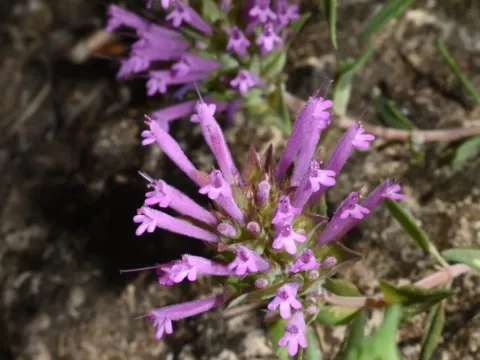
Long-flowered thyme
Thymus longiflorus
Thymus longiflorus is a perennial subshrub belonging to the Lamiaceae family, primarily native to the rocky landscapes of southeastern Spain. This plant is well-adapted to Mediterranean climates, thriving in full sun and rocky, calcareous soil conditions.
What the section contains
Long-flowered thyme
For successful cultivation, excellent soil drainage is essential, as the plant is highly susceptible to root rot in waterlogged environments. It prefers poor, sandy, or rocky soils with a neutral to slightly alkaline pH, mirroring its natural habitat.
The agronomic management of this species involves minimal irrigation after the establishment phase. Once deep roots are developed, the plant exhibits remarkable drought resistance, making it an excellent candidate for low-input sustainable farming systems.
Propagation is typically carried out via seeds or cuttings in the early spring. Plants should be spaced adequately to ensure good air circulation, which is vital to prevent fungal diseases and ensure uniform plant development during the growing season.
The botanical characteristics include long, tubular flowers and narrow leaves, which are rich in specialized compounds like thymol and carvacrol. These essential oils provide the plant with significant commercial value in the culinary, cosmetic, and medicinal sectors.
The primary threat to Thymus longiflorus is root rot caused by poor soil drainage and excessive humidity. Maintaining a dry root zone during dormant periods and ensuring soil aeration are the most effective preventive measures.
Fungal pathogens such as powdery mildew can affect the foliage during periods of high atmospheric humidity and poor ventilation. Keeping the planting site free of weeds and ensuring adequate space between plants significantly mitigates this risk.
Pests such as spider mites may become problematic during hot and dry summer months. Regular monitoring of the foliage and implementing natural predators or horticultural oils can control infestations without harming the plant's delicate aromatic profile.
Aphids might occasionally feed on tender shoot tips, potentially hindering growth. Early intervention, such as using gentle soapy solutions or targeted biological controls, helps maintain the health of the medicinal herb stand.
To optimize plant longevity, regular pruning of dry or diseased wood is recommended. This practice stimulates fresh growth and eliminates potential reservoirs for pathogens, ensuring a more productive and healthy crop yield over several years.