
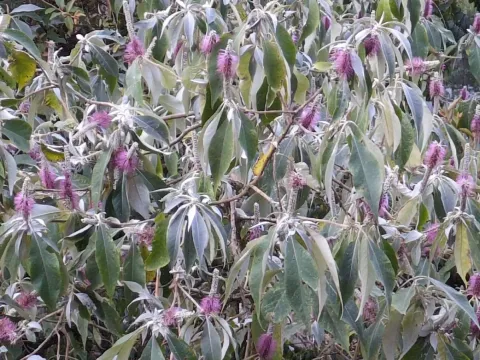
Leucosceptrum
Leucosceptrum
Leucosceptrum, a genus within the Lamiaceae family, is typically propagated through seeds or the division of rhizomes. For seed propagation, it is recommended to sow seeds in late autumn to allow for natural stratification throughout the winter months, which significantly enhances germination rates in the spring.
What the section contains

Leucosceptrum
Vegetative propagation via division is most successful when performed in early spring before the plant enters its active growth phase. Carefully splitting the rhizome clumps ensures that each new section has sufficient root mass to establish quickly in its new environment.
Transplanting seedlings into open ground should only occur after the danger of frost has passed and soil temperatures have stabilized. Proper soil preparation with organic matter is essential at this stage to support the rapid development of the root system during the initial growth period.
Spacing is a critical consideration due to the plant's potential for significant horizontal growth over time. A spacing of 60–90 centimeters between plants is generally recommended to ensure adequate airflow and prevent overcrowding, which can lead to various humidity-related issues.
Consistent irrigation is vital during the first weeks after transplanting. Ensuring the soil remains moist but not waterlogged creates an optimal environment for the young plant to stabilize and begin its primary vegetative cycle.
Successful cultivation of Leucosceptrum requires fertile, well-draining soil with a neutral to slightly acidic pH. The plant is highly sensitive to waterlogged conditions, making effective drainage a fundamental requirement for long-term health and vigor.
Leucosceptrum performs best in semi-shaded locations, protected from the harsh midday sun. While it can adapt to various light conditions, excessive heat and direct sunlight can cause leaf scorching and reduce the overall ornamental value of the plant.
Maintenance of moderate soil moisture is required, particularly during the peak of summer. Prolonged drought can lead to rapid wilting and damage the plant's ability to produce high-quality foliage and flowers, necessitating a consistent watering regime.
Fertilization with organic compost or well-balanced mineral fertilizers in early spring provides the necessary nutrients for the season. Focusing on potassium-rich nutrients helps improve the plant's structural integrity and overall resistance to environmental stressors.
In regions with harsh winters, providing a protective layer of mulch around the root zone is recommended. This practice buffers the soil temperature and protects the dormant buds from severe freezing, ensuring a healthy emergence in the following spring.
Leucosceptrum is highly valued as a late-season nectar source, providing a critical food supply for pollinators when many other plants have already ceased blooming. This makes it a strategically important crop for beekeeping operations in temperate zones.
The nectar production is significantly influenced by microclimatic conditions during the flowering period. Favorable humidity and stable temperatures promote optimal nectar secretion, which can lead to high yields of high-quality forage for local honeybee populations.
From an ornamental perspective, yield is measured in the abundance and density of the unique, spike-like inflorescences. Proper maintenance techniques ensure that the plant consistently produces lush, attractive foliage and impressive flowering displays each season.
Nursery production of Leucosceptrum allows for consistent propagation and scaling of the species. With correct agricultural practices, established clumps can be divided every few years, providing a reliable supply of planting material for garden centers or landscaping projects.
Harvesting seeds requires careful timing to ensure full maturity. Collecting the inflorescences just before they shatter allows for maximum seed viability and high germination rates for future propagation cycles.
The primary threats to Leucosceptrum are fungal diseases such as powdery mildew and grey mold, which thrive in stagnant, humid environments. Ensuring proper air circulation between plants is the most effective preventative measure against these infections.
Insect pests, particularly aphids and spider mites, can pose challenges during the growing season. Early detection through regular monitoring is essential to manage these populations before they cause significant damage to the plant's foliage.
Leaf-eating caterpillars may appear during the summer months and can quickly impact the aesthetic appeal of the plant. Biological controls, such as beneficial insects or organic sprays, are preferred to manage these pests without harming local pollinator populations.
Root rot, caused by poor drainage and excessive moisture, remains the most significant threat to the overall longevity of the plant. If soil remains soggy for extended periods, the root system will quickly decline, often leading to the eventual death of the specimen.
Maintaining strict hygiene by cleaning tools and removing infected plant tissue immediately significantly reduces the spread of pathogens. These simple practices maintain the overall vitality of the plantation throughout the growing cycle.
Harvesting the vegetative mass is best performed after the flowering season has concluded and the plant begins its transition to dormancy. Using sharp, sanitized tools ensures clean cuts and prevents damage to the crown of the plant.
For those harvesting for herbal use or botanical specimens, gathering the leaves and young stems should occur during peak growth. Drying the material in a cool, shaded, and well-ventilated area preserves the integrity and chemical properties of the foliage.
Autumn maintenance involves cutting back the spent stems once they start to brown. Leaving short stubs can help capture snow, providing a natural insulating layer that protects the crown from extreme frost during the winter.
When harvesting, it is critical to separate healthy material from any that shows signs of disease. Discarding infected plant parts away from the cultivation area prevents the reintroduction of pests or diseases in the upcoming spring cycle.
Implementing a structured post-harvest workflow ensures the quality and longevity of both the stock plants and any seeds or materials collected. Careful handling during this period is essential for maintaining the productivity of the crop in subsequent years.