
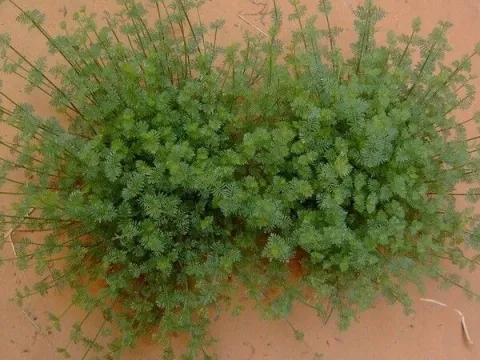
Antinea lavender
Lavandula antineae
Propagation of Lavandula antineae, a member of the Lamiaceae family, is typically achieved through seeds or vegetative cuttings. Seeds of this species often require cold stratification to break dormancy and significantly improve germination rates.
What the section contains
Antinea lavender
When sowing in open fields, the process is scheduled for spring once soil temperatures reach a consistent 12-15 degrees Celsius. Ensuring stable moisture levels during the initial weeks is critical for the establishment of young seedlings.
The seedling tray method is highly recommended to produce robust plants for field transfer. Sowing in containers should begin in late winter to ensure plants are sufficiently developed and ready for transplanting after the risk of late frost has passed.
Field selection is vital; the plant requires full sun exposure throughout the day and protection from harsh, drying winds. Planting density should allow for 60-80 centimeters between rows to accommodate the mature size of the lavender bush.
The ideal growing medium for this species is a light, porous, and well-draining soil. High soil aeration is essential, as the roots are sensitive to waterlogging, which can quickly lead to decay in heavy or compacted soil types.
As a species native to the arid regions of North Africa, Lavandula antineae is highly drought-tolerant and requires intense sunlight. Any degree of shade will lead to weak, leggy growth and a substantial reduction in essential oil production.
The plant thrives in neutral to slightly alkaline soils. Acidic conditions or heavy clay soils that retain excess moisture can hinder root development and alter the biochemical profile of the oils produced by the plant.
While adapted to significant temperature fluctuations, the plant requires protection from extreme cold or damp winter conditions. Proper site selection should avoid frost pockets or areas where water tends to accumulate during the colder months.
Irrigation should be managed cautiously, as this species is better adapted to dry periods than to excessive moisture. Once established, the root system is deep enough to sustain the plant through moderate dry spells without supplemental watering.
In regions with harsh winters, this lavender may require protective covers or should be grown in containers that can be moved to a sheltered environment. It does not possess high cold hardiness and requires specialized care in cooler latitudes.
The primary threats to Lavandula antineae are fungal pathogens such as grey mold and root rot, which thrive in humid and poorly ventilated conditions. Maintaining airflow between individual plants is the best defense against these diseases.
Pests such as froghoppers, which damage flower spikes, and certain leaf-eating insects can impact overall crop health. Monitoring for signs of infestation is essential, especially during the active growth phases in spring and summer.
Preventative management involves diligent weeding and keeping the soil surface loose to reduce humidity around the plant base. Removing diseased branches immediately upon detection prevents the spores from spreading to healthy parts of the crop.
Fungicide application should be viewed as a last resort, as residue can compromise the quality of the harvested essential oils. Proper spacing and drainage remain the most effective cultural controls for maintaining a healthy lavender plantation.
Clean cultivation practices reduce the presence of alternative hosts for pests. Keeping the surrounding area free of debris helps ensure that the environment remains unfavorable for pathogen colonization and insect breeding cycles.
Harvesting Lavandula antineae should take place during the peak bloom phase, when the essential oil content within the flower spikes is at its highest. This window is crucial for maximizing the economic return of the crop.
The optimal time for harvesting is during the early morning hours, after the dew has evaporated but before the heat of the day causes essential oils to volatilize. This practice helps retain the highest quality scent profile.
Using sharp, sanitized secateurs or sickles, harvesters should cut the stems at the appropriate height, being careful not to damage the woody parts of the plant. Maintaining the plant structure ensures quicker recovery for future seasons.
Once harvested, the material must be dried immediately in a shaded, well-ventilated area. Avoiding direct sunlight during the drying process is essential to prevent the degradation of volatile aromatic compounds and ensure premium color retention.
Applications for this crop are diverse, ranging from large-scale essential oil extraction to cosmetic production and decorative landscaping. Its unique characteristics make it a valuable asset for specialized aromatic plant production.