
Scrophularia-leaf sage
Salvia scrophulariifolia
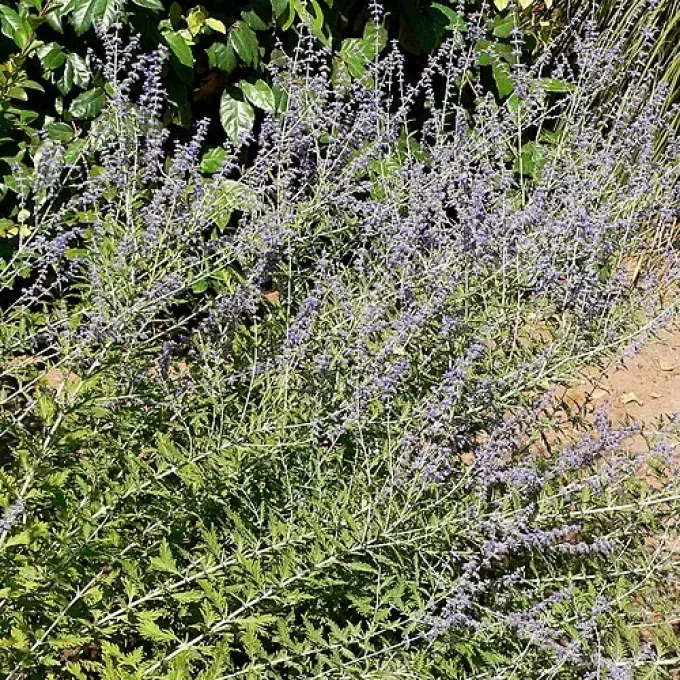
Description
Sowing dates
The sowing of Salvia scrophulariifolia is ideally timed for spring when soil temperatures reach 10–12 degrees Celsius. Late April or early May is the most suitable window for successful germination in temperate climates.
For professional farming, a greenhouse starter method is often preferred to ensure a robust plant stand. Seedlings are ready for field transplantation after reaching 45–60 days of age, usually avoiding any risk of late frost.
Seeds should be sown in rows with a spacing of 45–60 centimeters between them. This spacing is vital for the plant to receive sufficient air circulation and nutrients, which prevents overcrowding.
The optimal seeding depth is about 1–2 centimeters. Once sown, the soil surface should be lightly compressed and kept consistently moist until the first true leaves appear to ensure strong initial development.
Autumn sowing is also an option in milder climates, as it allows seeds to undergo natural stratification. This can lead to earlier spring germination, though it requires strict weed control throughout the growing period.
Growing requirements
Salvia scrophulariifolia is a member of the Lamiaceae family, known for its specific ecological requirements. It thrives best in well-drained, fertile soils with a neutral or slightly alkaline pH balance.
This crop is highly light-demanding. Exposure to direct sunlight is crucial for the synthesis of essential oils and other active botanical compounds, making south-facing slopes or open fields the best location.
While the plant exhibits moderate drought resistance once established, consistent soil moisture is required during the peak growth phase. Avoid waterlogged areas, as stagnant water is detrimental to root health.
Optimal temperatures for steady development range from 20 to 25 degrees Celsius. The crop is moderately hardy but needs protection from harsh winter winds and excessive soil freezing in colder zones.
Regular cultivation and inter-row weeding are essential to maintain soil structure and aeration. Supplementing with potassium and phosphorus-rich fertilizers significantly enhances the yield and quality of the raw biomass.
Main diseases and pests
Fungal diseases, including powdery mildew and various root rots, represent the most significant threat to Salvia scrophulariifolia. These pathogens thrive in conditions with high humidity and poor ventilation.
Pests such as aphids and spider mites can frequently infest the plants. These insects damage the foliage, thereby reducing the medicinal quality and economic value of the harvested raw materials.
Implementing a strict crop rotation strategy is the most effective way to prevent soil-borne diseases. It is recommended to avoid planting Salvia on the same field for at least four years.
Integrated pest management, including the use of biological control agents and selective insecticides, is advised. Treatments should be performed early in the season to ensure safety before the flowering stage.
Continuous monitoring of the field is necessary to identify early symptoms of disease. Proper spacing and timely removal of diseased plant debris help keep the population of pathogens and pests under control.
Harvesting
The harvesting of this sage variety is conducted during the mass flowering phase, as this is when the plant's essential oils and medicinal components reach their peak concentration levels.
Stems should be cut approximately 10–15 centimeters above the soil level. This allows the plant to regenerate successfully and provide a second harvest if the climatic conditions remain favorable.
Post-harvest processing involves rapid drying in shaded, well-ventilated structures. Excessive heat must be avoided during drying, as temperatures above 40 degrees Celsius may degrade the quality of essential oils.
Once dried, the foliage is separated from the stems and stored in airtight containers. Protecting the dry product from direct light and humidity is critical to maintaining its pharmacological potency for long-term storage.
Under optimal management practices, producers can achieve two to three harvests per season. Each harvest should be handled with care to maintain the integrity of the leaves and ensure high marketability of the product.