
Coridothymus capitatus
Coridothymus capitatus (L.) Rchb. f.
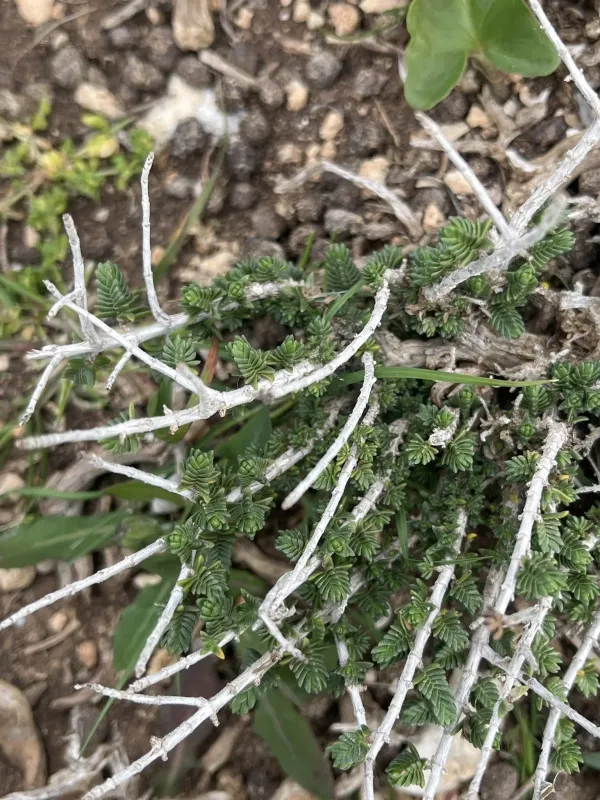
Description
Sowing dates
Coridothymus capitatus, commonly known as Persian thyme or conehead thyme, is a perennial evergreen subshrub belonging to the Lamiaceae family. It is typically propagated via seeds or vegetative cuttings to maintain the genetic consistency of the plantation.
Seeds are usually sown in a greenhouse environment during late winter or early spring using a well-draining, sandy-based substrate. The seeds are very small and require light for germination, so they should be barely covered with soil.
The optimal germination temperature ranges from 18 to 22 degrees Celsius. Once the seedlings reach a height of 5-10 centimeters, they are typically hardened off before being transplanted into the open field once the frost risk has passed.
When planting, it is crucial to ensure adequate spacing between individual plants to promote airflow, which helps in preventing moisture-related fungal diseases.
In large-scale commercial operations, direct sowing into prepared seedbeds is possible in Mediterranean climates, provided the weed control is managed effectively during the initial growth phase.
Growing requirements
This species is highly adapted to Mediterranean conditions, requiring full exposure to sunlight throughout the day for optimal growth and essential oil production.
The plant thrives in poor, rocky, or calcareous soils with a neutral to slightly alkaline pH. It is highly sensitive to waterlogging, necessitating excellent soil drainage to survive and remain productive.
Coridothymus capitatus is characterized by its high drought tolerance, making it an excellent crop for arid or semi-arid regions where water availability is a limiting factor for traditional crops.
Temperatures should generally stay within the warm range, although the plant can tolerate moderate winter cold if the soil moisture is kept low to prevent root freezing.
Nutrient requirements are relatively low. Over-fertilization, especially with nitrogen, should be avoided as it stimulates excessive vegetative growth, which can dilute the concentration of essential aromatic oils.
Yield
The economic value of the crop primarily lies in its essential oil content, specifically rich in thymol and carvacrol, which are highly valued in the pharmaceutical and food industries.
Productivity peaks as the plants mature, typically from the second year onwards. A well-managed plantation can remain productive for several years before requiring renewal.
Yields are measured in dried herb mass and oil percentage. Optimal harvesting timing during the peak flowering stage is the most critical factor in achieving a high-quality essential oil yield.
Processing involves steam distillation of the aerial parts. The oil content can vary significantly based on local environmental conditions and the specific chemotype of the population being cultivated.
Beyond oil extraction, the dried herb is widely utilized as a flavoring agent in the food industry, appreciated for its potent antimicrobial and antioxidant properties.
Main diseases and pests
Fungal pathogens, particularly root rot, are the most significant threat to the crop, often triggered by excessive soil moisture or poor field drainage during rainy seasons.
Common pests include spider mites and aphids, which are more prevalent in hot, dry conditions. These insects can stress the plants and weaken their natural defense mechanisms.
Preventative measures include strictly controlled irrigation practices and consistent weeding to ensure that the microclimate around the plants remains dry and airy.
Crop rotation is essential to prevent the accumulation of soil-borne pathogens. Planting in areas previously occupied by other Lamiaceae species should be avoided to minimize disease pressure.
Regular monitoring of the plantation is vital. Early identification of symptomatic plants and their immediate removal can prevent the spread of diseases within the plot.
Harvesting
Harvesting is executed during the full bloom phase, as this is when the secondary metabolites, including aromatic oils, reach their highest concentration in the flowers and leaves.
In mechanized farming, specialized harvesters are used to cut the stems. It is crucial to leave enough of the woody base intact to ensure the plant can regenerate for future seasons.
Harvested material must be transported to the processing facility or drying area immediately to prevent the evaporation of volatile essential oils under the sun.
Drying is conducted in controlled environments with adequate ventilation and temperatures kept below 40 degrees Celsius to prevent the degradation of chemical compounds.
Once dried, the product is packaged in moisture-proof and light-protected containers, which helps maintain the aromatic quality during storage and transportation.