
Briz
Сельскохозяйственное Селекционно-производственное Предприятие Сортсемовощ
066 1 offer
2 270 €per 1 kg ≈ 115 663 ₴


Savory
No offers yet — stores have not added prices for this product yet.
BrizСельскохозяйственное Селекционно-производственное Предприятие Сортсемовощ
from 2 270 €per 1 kg
 FILEVSKY SEMKOSemko-Yunior
from 79.67 €per 1 kg
FILEVSKY SEMKOSemko-Yunior
from 79.67 €per 1 kg
 ArgonavtSedek
from 0.8 €
ArgonavtSedek
from 0.8 €
 CHARLY
from 0.37 €
CHARLY
from 0.37 €
A robust variety with a distinctive peppery aroma that retains its quality long after harvesting.
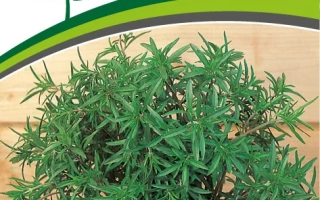
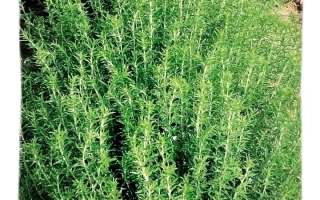
The 'Argentum' savory, developed by the Crimean Research Institute of Agriculture, stands out as a highly specialized variety designed to thrive in challenging, arid climates. Unlike many common European hybrids that require constant moisture, 'Argentum' exhibits remarkable drought resistance and stability in extreme heat, making it a reliable choice for commercial cultivation and home gardening alike.
The core advantage of 'Argentum' is its post-harvest stability. While many analogs lose their organoleptic intensity during dehydration, this variety retains its pungent aroma exceptionally well, making it ideal for the spice production market. However, cultivators should note that 'Argentum' requires maximum solar exposure; limited sunlight significantly reduces the synthesis of its signature essential oils. For those seeking a professional-grade herb with a consistent, robust flavor, 'Argentum' represents an efficient and productive solution.
| Herbs | |
|---|---|
| Flavor and Aroma | |
| Purpose | |
| Registration year | 2023 |
| Catalog | Catalog → Savory |
| Legal data |
Show · 1 |
| Country | Russia |
No reviews yet. Be the first to share your experience.



Often considered together with this variety




Products you’ve viewed on this site
Reviews