
Summer savory
Satureja hortensis L.
Description
Sowing dates
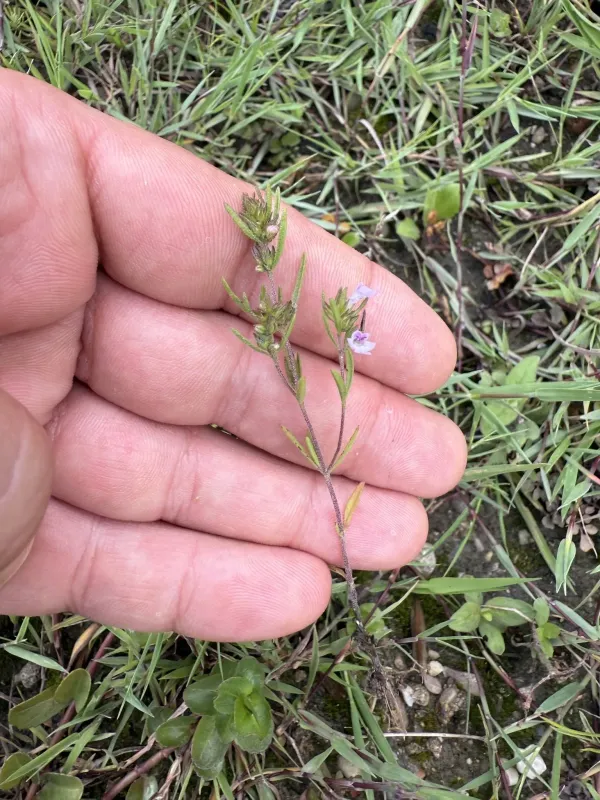
Summer savory (Satureja hortensis) is an annual aromatic plant belonging to the Lamiaceae family. It is widely cultivated for its peppery flavor and medicinal properties.
Sowing should be done in early spring as soon as the soil is workable and frost risk has passed. The seeds are very small and require careful handling to ensure even germination.
Indoor sowing in starter trays is recommended for regions with short growing seasons. Start seeds indoors 4–6 weeks before the last expected frost date.
When sowing directly into the soil, space rows about 30–40 cm apart. Thin the seedlings once they reach 5 cm in height to allow for proper airflow and growth.
The seeds require light to germinate, so they should be only lightly covered with fine soil or sand. Keeping the soil consistently moist is essential during the germination phase.
Growing requirements
Summer savory thrives in full sun exposure. It requires at least 6 to 8 hours of direct sunlight per day to develop its characteristic rich essential oil content.
Well-drained, fertile soil with a neutral to slightly alkaline pH is ideal. Avoid waterlogged or heavy clay soils, as they promote root diseases and hinder plant development.
Watering should be moderate. While the plant is somewhat drought-tolerant once established, regular watering is necessary for producing lush, tender foliage throughout the season.
Maintenance involves frequent weeding during the early stages of growth, as the young plants are delicate and can be easily outcompeted by aggressive weeds.
Minimal fertilization is usually sufficient. Over-fertilizing, especially with nitrogen, can lead to rapid, leggy growth and reduced flavor intensity, which is undesirable.
Yield
The total yield of summer savory depends on the climate and planting density. Proper irrigation and spacing can significantly boost the amount of green biomass harvested.
Peak quality is reached during the flowering stage. If harvested for dried spices, the best time to cut the plants is just as the first flowers begin to open.
Crop rotation is important for long-term productivity. Growing savory in the same location for multiple consecutive years may lead to an accumulation of soil-borne pathogens.
The plant is highly valued for culinary uses, particularly in meat dishes, soups, and vegetable preparations. Its essential oils, such as carvacrol, provide distinct digestive benefits.
Selective harvesting during the season allows for a continuous supply of fresh leaves. Encouraging new growth through balanced care ensures multiple cuttings per season.
Main diseases and pests
Summer savory is naturally hardy, but it is not completely immune to problems. Poor environmental conditions often trigger the majority of common issues.
Root rot is the most common threat, usually caused by overwatering or poor drainage. Ensuring good soil structure and ventilation is the best preventative measure.
Powdery mildew can occur in humid environments with poor air circulation. Symptoms include a white, dust-like growth on the leaves, requiring prompt removal of affected parts.
Aphids might infest the tender tips of the plant during hot, dry spells. Using insecticidal soaps or neem oil is an effective way to manage these populations if necessary.
Prevention relies on healthy horticultural practices, including proper spacing, avoiding overhead irrigation, and maintaining a healthy, well-aerated garden environment.
Harvesting
Harvesting is best done in the morning after the dew has evaporated, which is when the essential oil concentration in the leaves is at its highest level.
Cut the stems about 10–15 cm above the ground to encourage secondary regrowth. Using sharp pruning shears prevents crushing the delicate stems.
Drying the stems in bunches hanging upside down in a cool, dark, and well-ventilated area preserves the flavor and green color of the dried product.
Once dried, the leaves can be stripped from the woody stems and stored in airtight containers away from heat and direct sunlight to maintain their pungency.
- Air dry in a shaded location
- Store in glass jars for longevity
- Harvest before heavy seed production begins