
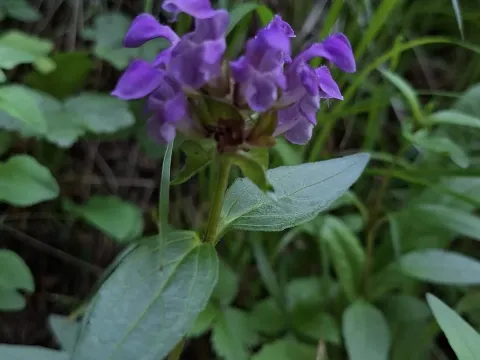
Spearleaf self-heal
Prunella hastifolia
Spearleaf self-heal (Prunella hastifolia) is a perennial herbaceous plant belonging to the Lamiaceae family. Propagation is typically achieved through seeds, which require a cold stratification period to improve germination rates significantly.
What the section contains
Spearleaf self-heal
When starting from seeds, it is recommended to sow them in late winter or early spring using a lightweight, well-draining substrate. As the seeds need light for germination, they should be surface-sown and only lightly pressed into the soil without deep coverage.
After the danger of frost has passed, young seedlings can be transplanted into the field. Proper spacing is essential, as the plant spreads through rhizomes and root shoots; a distance of 30 to 40 centimeters between plants is generally considered optimal.
Vegetative propagation via clump division is also a highly effective and common method for establishing new rows. Dividing the root system in early spring or autumn ensures rapid establishment and maintains the vigor of the plant population.
The plant undergoes a phase of intensive leaf rosette formation in its first year, followed by rapid vertical growth and abundant flowering in the second season. Consistent care during the establishment phase leads to dense and productive medicinal stands.
Spearleaf self-heal thrives in full sun to partial shade environments. It prefers moist, fertile, and well-draining soils with a neutral to slightly acidic pH level, making it quite adaptable to various gardening and farming conditions.
Water management is critical for this species; while it requires consistent soil moisture to produce high-quality foliage and flowers, it cannot withstand waterlogged conditions. Proper soil aeration is necessary to prevent root health issues.
Adding organic matter such as well-rotted compost to the soil prior to planting provides necessary nutrients and improves the moisture retention capacity of the soil, ensuring steady growth throughout the season.
Fertilization with balanced NPK compounds in early spring can boost vegetative biomass. However, excessive nitrogen should be avoided as it may lead to succulent growth that is more susceptible to pests and fungal pathogens.
This species is well-known for its excellent winter hardiness. It is capable of surviving harsh winter conditions in temperate climates, making it a reliable perennial for large-scale agricultural or medicinal herb cultivation.
The primary threats to the cultivation of this species are fungal infections resulting from poor drainage or inadequate air circulation. Powdery mildew and various root rots are the most prevalent diseases observed in dense stands.
To mitigate the risk of disease, it is essential to maintain proper spacing between individual plants. Regularly weeding the area is also crucial, as weed species can act as alternative hosts for various pathogens that attack Lamiaceae plants.
Pests such as aphids and spider mites may occasionally infest the foliage, particularly during dry and hot spells. Using environmentally friendly insecticidal soaps or biological control agents is the preferred method for maintaining plant health.
Slugs and snails can also damage young, tender growth. Implementing mechanical barriers or using organic bait methods can effectively control these pests without harming the overall quality of the harvested medicinal crop.
Monitoring for signs of stress is vital, as early detection of infections allows for targeted interventions. Proper sanitation, including the removal of dead or diseased biomass, is a cornerstone of effective disease management for this culture.