
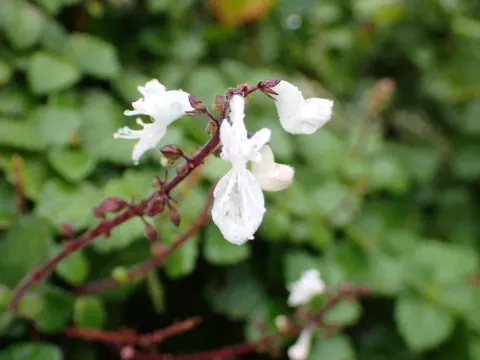
Solenostemon
Solenostemon
Solenostemon, commonly known as coleus, belongs to the Lamiaceae family. It is a perennial herbaceous plant often cultivated as an annual crop for its vibrant and highly ornamental foliage.
What the section contains

Solenostemon
Originating from the tropical regions of Africa, Asia, and the Pacific Islands, the plant thrives in warm, humid environments. Its distribution as a commercial crop is focused on regions where it can be protected from cold stress.
The plant requires well-draining, fertile soil rich in organic matter to achieve maximum biomass production. A pH range between 6.0 and 7.0 is generally considered optimal for nutrient availability and healthy root development.
Climate requirements involve consistent warmth, as Solenostemon is extremely frost-tender. It prefers temperatures between 20°C and 30°C and requires high ambient humidity to prevent leaf wilting and desiccation.
Agronomic management includes regular irrigation and the application of balanced fertilizers during the active growing season. Pinching the terminal buds is a common practice to encourage lateral branching and a more compact, bushy habit.
Common pests affecting Solenostemon include aphids, spider mites, and whiteflies. These insects proliferate quickly under dry conditions and can cause significant damage to the leaf tissue if not managed early.
Fungal pathogens such as root rot (Phytophthora or Pythium species) are frequent issues caused by poor drainage or overwatering. These diseases destroy the root system, preventing the plant from absorbing water and nutrients.
Powdery mildew is another significant threat, particularly in environments with poor air circulation and fluctuating humidity. It appears as white, dusty spots on the leaves, which can lead to premature leaf drop.
Mealybugs can also infest Solenostemon, hiding in the axils of the leaves. Their presence can stunt growth and promote the development of sooty mold due to the honeydew they excrete during feeding.
Effective management strategies involve monitoring for early symptoms, ensuring proper plant spacing for better ventilation, and utilizing biological or chemical controls according to integrated pest management standards.