
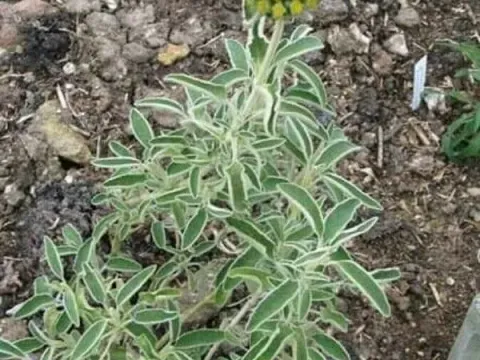
Phlomis kurdica
Phlomis kurdica
Sowing of Phlomis kurdica seeds is primarily performed in spring, once the soil has warmed sufficiently to temperatures between 10 and 12 degrees Celsius. Proper seedbed preparation is vital, as the seeds have a relatively slow germination process and require consistent moisture in the upper soil layers during the initial stages.
What the section contains
Phlomis kurdica
In large-scale production, autumn sowing is possible in regions with mild winters, as this allows for natural seed stratification. This method often results in more uniform germination and stronger root development before the onset of summer heat.
The recommended planting depth for seeds is 1–2 centimeters. Burying them too deeply can hinder sprout emergence, so using lightweight soils and light rolling after sowing helps ensure high field germination rates and healthy initial growth.
The planting pattern must consider the species' biological habit; Phlomis kurdica is a robust plant. A row spacing of 50–60 centimeters is ideal to provide adequate space for growth, light penetration, and effective air circulation, which helps manage plant health.
Once seedlings have established, thinning is necessary to maintain a spacing of 30–40 centimeters between plants in a row. This prevents overcrowding, ensuring each plant has sufficient access to soil nutrients and water, which is particularly important during the first two years.
Phlomis kurdica is a member of the Lamiaceae family and is well-adapted to semi-arid climates. It has high light requirements and should be planted in open, sunny locations where it can receive maximum daily solar exposure.
The plant thrives in well-draining, light, sandy, or loamy soils with a neutral to slightly alkaline pH. It is highly sensitive to waterlogged conditions, which can quickly lead to root rot and other moisture-related diseases, making site selection critical.
The optimal temperature range for active vegetation is between 20 and 28 degrees Celsius. The species exhibits high cold tolerance, typical of its mountain-origin relatives, allowing it to withstand significant seasonal temperature variations effectively.
While Phlomis kurdica benefits from moderate irrigation during its initial growth phases, it becomes highly drought-tolerant once established. Its deep taproot system allows it to access deeper soil moisture, reducing the need for constant artificial irrigation.
Fertilization should be kept minimal. Excessive nitrogen promotes vegetative growth but can lead to a decrease in the concentration of valuable phytochemicals, reducing the overall quality and commercial value of the harvested raw material.
Fungal diseases, particularly powdery mildew, represent the most significant threat to Phlomis kurdica, especially in humid conditions or areas with poor air circulation. These infections can severely impact the quality and quantity of the harvest.
Pests such as leaf beetles may damage foliage during the active growing season. Regular phytosanitary monitoring is essential to identify infestations early, allowing for targeted use of biological controls rather than harsh chemical interventions.
Root rot risk increases significantly in poorly drained soils. Adhering to strict crop rotation practices—avoiding planting Phlomis kurdica after other Lamiaceae members—is a fundamental agronomic step to break the lifecycle of soil-borne pathogens.
Weed management is critical in young plantations. Weeds compete intensely for water and light, often stunting the growth of Phlomis in the first year; mechanical inter-row cultivation is usually the most effective control method.
In certain regions, rodents can cause damage to plantations during the dormant season by gnawing on the root crown. Implementing rodent control measures near the fields can prevent significant losses in plant density and overall yield.
The harvest of Phlomis kurdica raw material takes place during the peak flowering phase, when the concentrations of essential oils and bioactive secondary metabolites are at their highest levels, typically during the mid-to-late summer months.
Harvesting involves cutting the aerial parts of the plant at 10–15 centimeters above the ground. This height is essential to protect the growing points, ensuring the longevity of the perennial plant and successful regeneration in subsequent seasons.
Immediately after cutting, the material must be dried. Proper drying in well-ventilated, shaded facilities is essential to prevent heating and spoilage, ensuring the final product retains its natural color and chemical integrity.
Once dried, the raw material is cleaned of impurities and processed into the desired particle size. It is critical to minimize mechanical stress during handling to prevent the shattering of delicate leaves and floral parts.
Storage should be conducted in dry, dark, and well-ventilated conditions using breathable packaging. Following these protocols ensures that the raw material maintains its medicinal quality for up to 12 months, preventing moisture-induced degradation.