
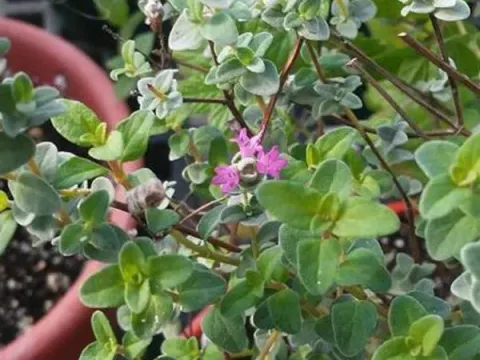
Origanum microphyllum
Origanum microphyllum
The cultivation of Origanum microphyllum often begins in greenhouses during March or April. Because the seeds are extremely small, controlled conditions are necessary to ensure high germination rates and to protect young seedlings from environmental stressors.
What the section contains
Origanum microphyllum
Direct seeding in the field can be attempted in late May once the soil temperature consistently reaches 15-18 degrees Celsius. Careful seedbed preparation is vital, as the seeds need good soil contact to sprout efficiently.
Planting density should be planned with mechanical maintenance in mind. Rows spaced 45-60 cm apart allow sufficient space for the plants to spread while providing ample room for tractors or manual weeding equipment to pass through.
Seedlings emerge slowly, usually within two to three weeks. During this initial growth phase, the crop is highly vulnerable to weed competition, making regular inter-row cultivation an essential part of the agricultural process.
To improve germination speed, seeds can be stratified or treated with organic growth promoters. Proper density management ensures that the crop achieves optimal coverage, reducing space for weeds to thrive.
Origanum microphyllum is a perennial plant in the Lamiaceae family. It thrives in well-lit, sunny environments that mirror its native Mediterranean habitat, where exposure to direct sunlight helps maximize essential oil concentration.
The crop prefers light, well-drained calcareous soils with a neutral to slightly alkaline pH. Poorly drained or heavy clay soils can lead to root suffocation and diminished plant health.
While the plant is naturally drought-tolerant, consistent irrigation during the peak growing season is recommended to ensure high biomass production. Water stress during the flowering period can significantly reduce essential oil yield.
Moderate temperatures are ideal for this species. In regions with harsh winters, it is advisable to apply organic mulch around the root zone to provide protection against frost damage.
Ensuring excellent soil drainage is the most critical requirement. Waterlogging is the primary cause of plant failure, so choosing raised beds or fields with natural slope gradients is highly recommended.
Commercial production of Origanum microphyllum focuses on harvesting green biomass for the dried herb market or for essential oil distillation. Yield potential is heavily influenced by soil fertility and management practices.
Plants generally yield very little during their first year as they focus on root development. Productive harvesting typically begins in the second year, with established stands yielding between 1.5 to 3 tons of dried biomass per hectare.
Essential oil yield is highly dependent on the harvest timing. Peak oil accumulation coincides with the full bloom stage, making this the most critical window for farmers aiming for high-quality oil production.
A well-managed plantation can remain productive for 5 to 7 years. After this period, the plants often exhibit signs of senescence, and the field should be replanted to maintain high yields.
Beyond its primary use as an herb, the crop is an excellent honey plant. During its flowering season, it attracts numerous pollinators, which can provide an additional ecological benefit to the agricultural system.
Fungal diseases are the primary threat to Origanum microphyllum, particularly when moisture levels are not managed effectively. Powdery mildew is a common concern during humid spells and in poorly ventilated fields.
Root rots caused by Fusarium or Rhizoctonia species are dangerous, especially in areas with poor drainage. Once established, these pathogens can quickly decimate a field, making prevention through soil management essential.
Pests such as aphids can cause localized damage by sap-sucking, which stunts growth and lowers the cosmetic quality of the leaves. Leaf-eating insects may also cause damage during certain seasons.
Nematodes may infest the root zone, particularly in heavy or untreated soils. Rotating crops and waiting at least 4-5 years before returning Origanum to the same plot is a standard practice to mitigate nematode buildup.
Effective prevention involves using certified healthy seeds and promptly clearing crop debris after harvest to prevent the build-up of overwintering pathogens within the field.
The harvest should occur at the full bloom stage. At this time, the plant contains the highest concentration of aromatic essential oils, ensuring a superior quality product for the market.
Harvesting involves cutting the upper 15-20 cm of the stems. Leaving a portion of the lower stem is crucial for the plant to recover and regenerate for subsequent harvests.
Once harvested, biomass should be transported to the drying facility immediately. Allowing the cut material to sit in piles can lead to heating and fermentation, which rapidly degrades the quality of the essential oils.
Drying must occur in shaded, well-ventilated areas or in controlled dryers at temperatures not exceeding 35-40 degrees Celsius. Excessive heat can volatile and destroy the plant's delicate aromatic compounds.
After reaching the target moisture content, the dry material is threshed to separate the leaves and flowers from the stems. The final product should be stored in airtight containers to preserve its aroma and quality over time.