
Orthosiphon
Orthosiphon
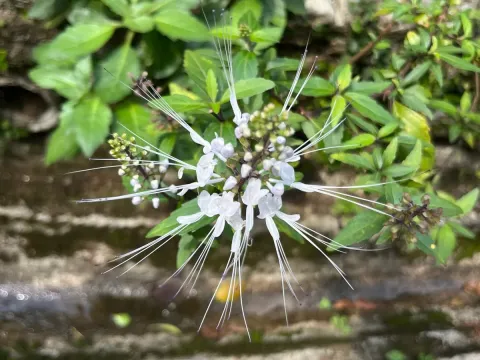
Orthosiphon, commonly known as Java tea, is typically cultivated as an annual crop in temperate zones due to its sensitivity to frost, requiring careful management from the start.
What the section contains


Orthosiphon
Seeds should be sown in greenhouses or warm frames in late winter or early spring to ensure the plants have a sufficient growing season to reach maturity.
The germination process requires a warm environment, ideally between 22 and 26 degrees Celsius, along with consistent moisture levels to promote uniform emergence.
Once the seedlings develop their first true leaves, they should be transplanted into individual pots to encourage strong root development before being moved to the field.
Transplanting into the open field occurs only after all danger of frost has passed, ensuring the soil temperature is warm enough to prevent transplant shock.
As a member of the Lamiaceae family, this plant thrives in full sun, which is essential for the production of its characteristic secondary metabolites and active compounds.
The ideal soil for Orthosiphon is well-draining, fertile, and slightly acidic to neutral in pH, preventing the risk of waterlogging which can be fatal to the plant.
Regular irrigation is vital throughout the growing season, as the plant originates from tropical environments and struggles to cope with prolonged dry spells.
Adequate spacing between plants is necessary to promote air circulation, which helps manage humidity levels around the foliage and reduces the risk of fungal diseases.
Balanced fertilization, particularly during the vegetative growth phase, is recommended to support the continuous development of leafy shoots used for harvest.
The yield of Orthosiphon is primarily measured by the amount of high-quality leaf and stem biomass harvested throughout the active growing period of the plant.
Regular harvesting of the tips of the shoots promotes bushy growth, effectively increasing the total number of stems available for the next harvest cycle.
Properly managed fields can provide multiple cuttings per season, significantly maximizing the output of medicinal material under optimal climate conditions.
Productivity is highly influenced by the plant density and the timing of the first cut, which should be performed when the biomass is most concentrated.
Professional growers focus on maximizing the leaf-to-stem ratio, as the leaves contain the highest concentration of the beneficial pharmacological substances.
Orthosiphon is generally robust but can suffer from root rot if the soil structure does not allow for efficient drainage during periods of heavy rainfall.
Fungal pathogens such as mildew can occur if plant spacing is too tight, leading to poor air movement and increased local humidity near the ground level.
Pests like aphids and spider mites are common in greenhouses, requiring early detection and the use of integrated pest management strategies to avoid chemical use.
Crop rotation is an essential agricultural practice for Orthosiphon to prevent the buildup of soil-borne pathogens and to maintain soil fertility over time.
Monitoring the field for signs of nutrient deficiency is also part of plant health management, as stressed plants are more susceptible to insect infestations.
Harvesting is performed by clipping the top 20–25 centimeters of the stems, ensuring that the remaining plant has enough foliage to continue growing.
Post-harvest handling is critical; the material must be moved to a shaded, well-ventilated area for drying as quickly as possible to preserve its active compounds.
Drying temperatures must be strictly controlled, keeping them below 50 degrees Celsius to avoid thermal degradation of the plant's medicinal properties.
Once dried, the product should be inspected and cleaned to remove any debris or discolored parts, ensuring the final batch meets pharmaceutical quality standards.
Packaging must be airtight and stored in a cool, dark location to maintain the integrity of the herbs for up to two years before commercial processing.