
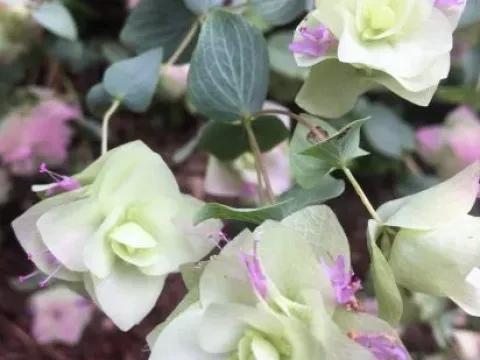
Oregano hybrid
Origanum hybrids
Sowing oregano hybrids is primarily done via the seedling method to ensure uniform germination and optimal planting density. Seeds should be sown in greenhouses or nurseries in late February or early March, burying them in a light substrate no deeper than 0.5 cm.
What the section contains
Oregano hybrid
For open-field sowing, wait until the soil is consistently warm, which usually corresponds to the second half of May. It is crucial to avoid overcrowding the seedlings, as hybrid forms are sensitive to poor ventilation in the root zone.
Transplant seedlings to their permanent location once they reach the 4–6 true leaf stage. The optimal planting pattern is 40x40 cm or 50x30 cm, providing comfortable conditions for the bush to develop throughout the entire growing season.
Oregano sprouts are extremely small and require high humidity during their first weeks of life, making the use of protective covering a necessary condition for successful establishment.
Subsequent propagation of plantations can be achieved vegetatively through root division or cuttings, which helps preserve the specific hybrid traits that might otherwise be lost through seed-based reproduction.
Oregano hybrids belong to the Lamiaceae family and are light-loving perennial plants. For maximum essential oil accumulation, they require a sunny location with protection from cold winds.
This crop prefers light, well-drained soil with a neutral to slightly alkaline pH. Heavy clay soils prone to water stagnation are detrimental to the root system and often lead to root rot development.
The plant has high frost resistance, although in regions with severe snowless winters, hybrid forms may require light mulching. Moderate watering is a crucial factor, especially during the active green mass growth phase.
Mineral fertilizer application should be measured: excess nitrogen reduces the concentration of active substances and the aromatic quality of the crop. Priority should be given to organic fertilizers applied in autumn during deep plowing.
The optimal temperature for active growth is +18...+25 degrees Celsius. Sudden temperature drops in the spring can slow down development, necessitating foliar feeding with microelements.
The yield of oregano hybrids depends directly on the age of the plantation and the agronomic practices used. Peak productivity is reached in the second or third year of the plant's life, provided that regular pruning is maintained.
Harvesting is performed during the mass flowering phase, when the concentration of essential oils in the leaves and inflorescences reaches its peak. During this period, the total biomass can reach 1.5–2 tons of dry raw material per hectare under intensive cultivation.
To maintain high yields in subsequent years, it is necessary to perform rejuvenating pruning, which stimulates the growth of new shoots. Old plantations over 5 years old require complete replacement due to declining regenerative capacity.
Crop quality is determined by both weight and chemical composition. Proper drying in a place protected from direct sunlight at temperatures not exceeding 40 degrees allows for the preservation of all valuable hybrid components.
It is important to remember that hybrid varieties often possess a more intense aroma and higher essential oil yields compared to wild species, making them more profitable for industrial production.
One of the most common issues is powdery mildew, which occurs under high humidity and poor ventilation. Biological fungicides and maintaining spatial isolation between plants are recommended to combat this.
Aphids and spider mites can damage young shoots during dry periods. Regular monitoring of leaf condition allows for the identification of infection sites at an early stage to prevent pest spread.
Root rots (fusarium, rhizoctonia) pose a threat in waterlogged areas. The primary method of control is prevention: choosing the correct site and monitoring soil acidity.
- Powdery mildew — affects leaves with a white fungal coating
- Aphids — suck sap, causing shoot deformation
- Root rots — lead to plant wilting and decay
Adhering to crop rotation is the best way to protect the plantation. It is not recommended to replant oregano in the same area for at least 4-5 years after clearing the previous crop.
Harvesting is best carried out in the morning hours after the dew has evaporated but before the sun begins to vaporize essential oils. The upper 20 cm of the stems should be cut.
Cut raw material should be tied into small bundles or spread in a thin layer on shelves. It is important to ensure active air circulation in the facility to prevent spoilage and leaf discoloration.
The drying process is considered complete when the stems become brittle and break easily. The material is then threshed, separating leaves and flowers from the coarse stems for final product preparation.
Storage must be in airtight containers that exclude light and moisture. When stored properly, oregano maintains its aromatic and medicinal properties for up to 24 months.
Refined products are widely used in the pharmaceutical and food industries as spice-aromatic additives, requiring strict adherence to sanitary standards during post-harvest processing.