
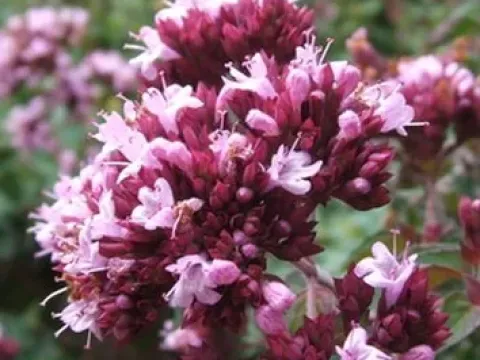
Origanum compactum
Origanum compactum
Propagation of Origanum compactum is typically achieved through seeds or vegetative division. Seeds are delicate and require careful handling, usually started in nurseries during early spring to ensure robust seedlings before field transplanting.
What the section contains
Origanum compactum
Direct seeding in the field can be done once the threat of frost has passed and soil temperatures have reached at least 12 degrees Celsius. The seeds should be lightly covered with fine soil, as they require light for optimal germination.
Spacing is a crucial factor in the successful establishment of the crop. Standard field practices suggest rows spaced 50 to 60 centimeters apart, with individual plants placed 30 centimeters within each row to promote airflow.
Vegetative multiplication, such as root division, is the preferred method for maintaining genetic uniformity. This process should be carried out during the dormant season, typically in early spring or late autumn.
Proper irrigation immediately following transplanting or sowing is essential to ensure the young root system remains moist while establishing itself in the new substrate.
Origanum compactum, a member of the Lamiaceae family, is a heliophilic species that thrives in full sun. Exposure to direct sunlight is mandatory to maximize the concentration of essential oils in the plant tissues.
The crop requires well-drained, sandy-loam or calcareous soils. It is highly intolerant of waterlogged conditions, which lead to root rot and significant yield loss in poorly managed fields.
Climate-wise, this herb is well-adapted to Mediterranean-type climates, characterized by warm, dry summers and mild winters. It possesses a moderate level of cold hardiness but requires drainage to survive freeze-thaw cycles.
Water requirements are moderate. During the peak of the growing season, consistent moisture is beneficial, but water stress should be avoided to prevent early flowering and reduced vegetative growth.
Soil nutrient management should focus on balanced phosphorus and potassium levels. Excessive nitrogen intake often results in lush green growth at the expense of aromatic compound production.
Peak yield is typically reached during the second or third year of the plantation's life. The plant forms dense mats of foliage that can be harvested mechanically or manually depending on the scale of production.
Harvesting timing is determined by the flowering stage. For the highest quality essential oil, the crop is typically cut when at least 50-70% of the plants have reached full bloom.
On average, the yield of dried herb mass per hectare ranges from 3 to 5 tons under optimal conditions. Multiple harvests per season are possible in warmer regions if the plant is pruned correctly.
Post-harvest processing is critical. Drying should occur in shaded, well-ventilated areas or specialized temperature-controlled chambers to maintain the integrity of volatile oils and prevent discoloration.
Proper management of the stubble after cutting ensures the plant's rapid recovery. Leaving approximately 10 centimeters of stem encourages new growth from the base of the plant.
Fungal pathogens such as Rhizoctonia and various mildews pose the most significant risk to Origanum compactum. High humidity combined with poor drainage frequently triggers these outbreaks.
Root rot, primarily caused by Phytophthora species, is a common issue in compact oregano grown in heavy, poorly aerated soils. Preventive measures include regular rotation and soil structure improvement.
Common insect pests include aphids and spider mites, which can cause significant damage to young shoots, leading to stunted development and reduced market quality.
Field slugs and snails can be highly destructive in the early spring months, particularly in young plantations where the foliage is tender and close to the ground.
Integrated Pest Management (IPM) strategies, including biological control agents and resistant cultivars, are recommended to maintain plant health while minimizing reliance on synthetic chemical applications.