
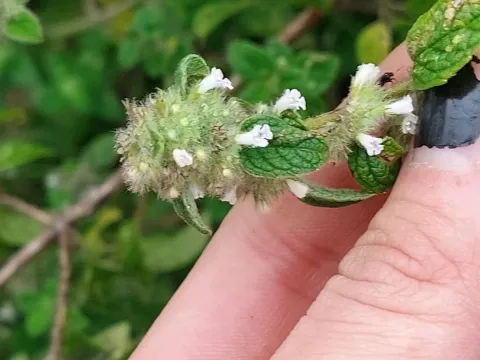
Minthostachys
Minthostachys (Benth.) Spach
Sowing Minthostachys is ideally performed in early spring after the danger of frost has passed. Seeds should be sown in well-drained, porous soil, ensuring they are only lightly covered as they require light for optimal germination.
What the section contains

Minthostachys
Greenhouse propagation is a common commercial practice to ensure uniform seedling development before transplanting to the field. A temperature range of 18 to 22 degrees Celsius is necessary for successful sprouting.
The seeds are small and sensitive, so precision sowing techniques or tray-based starting are recommended to maximize stand density. Moderate irrigation is critical during the initial weeks to avoid disturbing the seeds.
Planting distance should be approximately 40–50 centimeters apart, allowing each plant sufficient space for lateral growth, which is crucial for maximizing essential oil yields.
Early season weed management is vital as seedlings are slow to establish, and competition from fast-growing weeds can significantly hinder the growth of the young crop.
Minthostachys is a member of the Lamiaceae family, native to the high-altitude regions of the Andes. It thrives in rocky, well-draining soils and is well-adapted to cooler mountainous climates.
The crop demands full sunlight to stimulate the production of essential oils. Exposure to high-intensity light is the primary factor influencing the aromatic profile of the leaves.
While the plant is drought-tolerant once established, consistent moisture is beneficial during the vegetative stage. However, waterlogging must be strictly avoided to prevent root diseases.
Soil pH should range from neutral to slightly acidic. Soils high in organic matter are preferred, but excessive nitrogen fertilization should be avoided as it reduces the concentration of secondary metabolites.
Cultivation requires regular light tillage to keep the soil structure aerated and to maintain a clean field, preventing crusting and promoting deeper root penetration.
Crop yield is primarily measured in dry leaf weight per hectare. Depending on the density and environmental conditions, growers can expect multiple harvests per season if proper care is taken.
The concentration of essential oils is at its highest during the mid-flowering stage. Proper timing of the harvest is essential to ensure a high-quality product for the pharmaceutical market.
Average yield ranges depend heavily on altitude and temperature fluctuations, as these factors dictate the metabolic rate of the plants and the synthesis of aromatic compounds.
Ongoing maintenance, such as trimming post-harvest, is necessary to encourage vigorous regrowth and to maintain the productive life of the plantation for several years.
Efficiency in processing the harvested material is key; drying must be conducted promptly to prevent the loss of volatile compounds through degradation or oxidation.
Root rot caused by fungal pathogens is the most significant threat to Minthostachys, especially in poorly drained soils. Improving soil structure and avoiding irrigation excess are primary preventative measures.
Pests like aphids and leaf-eating beetles can cause damage during the warmer, drier months. Integrated pest management, focusing on biological controls, is highly recommended to protect the crop.
Powdery mildew may develop in dense, humid plantings with poor air circulation. Thinning out the plants and ensuring better field spacing are effective ways to mitigate this disease.
Nematode infestations can be a problem in established plantations, necessitating the use of crop rotation cycles to break the life cycle of soil-borne pests.
Regular field scouting is essential to identify the early signs of infection or pest outbreaks, allowing for localized treatments instead of broad-spectrum applications.
Harvesting should coincide with peak flowering, as this is when the secondary metabolites reach their maximum concentration, providing the most potent aromatic oil.
Mechanical harvesting using specialized sickles or light hedge trimmers allows for efficient clearing of the field, provided that the plants are cut above the woody crown for rapid regrowth.
Freshly cut material should never be left in direct sunlight for an extended period, as UV exposure and high heat accelerate the degradation of essential oils.
Post-harvest drying must occur in a shaded, well-ventilated area with temperatures maintained between 35 and 40 degrees Celsius to preserve the chemical integrity of the leaves.
Proper storage involves using light-proof and airtight packaging once the material has reached the desired moisture content to ensure long-term shelf stability of the aromatic compounds.