
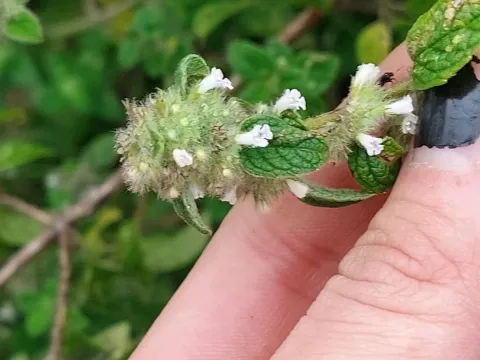
Minthostachys
Minthostachys
Sowing Minthostachys seeds is best performed in a greenhouse environment during the late winter to ensure strong seedling development before spring.
What the section contains
Minthostachys
Seeds should be lightly covered with a fine substrate, as they require a certain amount of light for optimal germination rates.
Maintain a stable temperature between 18 and 22 degrees Celsius to ensure that the seeds sprout uniformly and remain healthy.
Transplanting into the open field should only occur once the risk of spring frosts has passed and soil temperatures have sufficiently risen.
Adequate spacing between individual plants is necessary to promote air circulation and prevent the development of moisture-related diseases.
Minthostachys thrives best in sunny, well-ventilated locations where it can receive maximum exposure to natural light throughout the day.
The ideal soil for this crop is light, well-drained, and nutrient-rich, with a neutral pH level to ensure proper nutrient uptake.
Although the plant is quite drought-tolerant, consistent watering is required during the initial growth phases to establish a robust root system.
Periodic fertilization with balanced mineral nutrients helps in increasing the yield and enhancing the concentration of essential oils.
Proper drainage management is crucial, as any waterlogging in the root zone can lead to rapid decay and poor plant health.
Yield metrics for Minthostachys are highly influenced by the agricultural practices employed and the specific environmental conditions of the region.
The primary harvest occurs during the plant's peak flowering stage, which ensures the highest possible content of aromatic oils in the leaves.
Regular maintenance, including weeding and correct watering, allows for high productivity over several years from the same plantation site.
Yield can range significantly based on the plant density and the intensity of the harvesting schedule throughout the active growing season.
Efficient manual harvesting is recommended to maintain leaf integrity and to prevent the degradation of valuable chemical compounds.
Fungal diseases constitute the primary threat to Minthostachys, particularly when crops are grown in areas with high humidity and poor ventilation.
Root rot and powdery mildew are common issues that require constant monitoring and prompt intervention with appropriate biological treatments.
Pests such as spider mites and aphids can cause visible damage, affecting both the growth rate and the quality of the marketable product.
An integrated pest management approach, emphasizing prevention and early detection, is the most effective strategy for sustainable crop protection.
- Regular inspection of leaf undersides
- Implementation of crop rotation patterns
- Proper spatial management of the fields
- Soil quality and drainage assessments
The optimal time for harvesting Minthostachys is during the morning, specifically after the dew has evaporated but before the heat of the day.
Harvested material must be processed immediately by placing it in a drying area to prevent premature wilting and oil evaporation.
Controlled drying at temperatures not exceeding 40 degrees Celsius preserves the distinct aroma and chemical profile of the plant.
Once dried, the herbs should be cleaned of stems and packed into airtight containers to prevent moisture ingress and oxidation.
Storage should be conducted in dark, cool, and dry conditions to ensure a long shelf life and the retention of high-quality aromatic characteristics.