


Reference · Crops
Lallemantia
Lallemantia
Lallemantia is categorized as an early-sowing crop. It is highly recommended to sow the seeds as early as possible in the season, as soon as the soil warms up to 3-5 degrees Celsius.
2
items
What the section contains
Marketplace
Products in this section · 1
Lallemantia
Due to its high cold tolerance, Lallemantia seedlings can withstand short-term frosts of -6 to -8 degrees Celsius without a significant reduction in plant density.
The optimal sowing method is standard row planting with a row spacing of 15 cm, which ensures uniform plant distribution and adequate nutrition area.
The seeding rate varies significantly depending on the region and soil quality, averaging between 6 to 10 kg of seeds per hectare of arable land.
Planting depth is a critical factor for successful emergence and should be maintained at 2-3 cm to ensure seeds remain in a sufficiently moist soil layer.
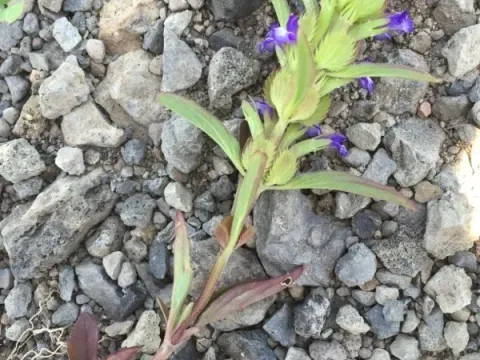
Lallemantia is an annual herbaceous plant belonging to the Lamiaceae family, primarily valued for the high oil content found in its seeds.
The crop is known for its drought resistance, making it suitable for cultivation in regions with limited moisture and continental climate patterns.
It performs best in fertile chernozem soils, although it yields acceptable results in chestnut and sandy loam soils when proper crop rotation is followed.
Sufficient access to sunlight is vital for the proper development of the plant; therefore, fields must be kept free of weeds to prevent competition for light.
Field maintenance involves timely mechanical weeding and inter-row cultivation, especially during the early vegetative stages before canopy closure.
The average seed yield of Lallemantia, under favorable agronomic conditions, ranges from 8 to 15 centners per hectare depending on soil fertility levels.
The oil content in the seeds reaches 30-35 percent, which makes the crop economically attractive for the production of industrial drying oils and paints.
Lallemantia oil is distinguished by its technical properties: it dries quickly and forms a durable, elastic film, highly prized in the chemical industry.
Beyond its oil potential, the green biomass of the plant can be utilized as a fodder additive if harvested before the stems become overly lignified.
To maximize commercial output, harvesting should occur at full maturity while carefully avoiding significant losses due to seed shattering.
The primary threat to young Lallemantia seedlings are flea beetles, which can rapidly damage or destroy crops during the early vegetative development stages.
During the flowering period, plants may be susceptible to aphids and other sap-sucking insects that feed on plant tissues and reduce overall yield potential.
Root rots are the most common diseases, usually caused by waterlogged soil conditions or improper crop rotation practices, which eventually lead to lodging.
Powdery mildew can infect crops under high humidity and temperature conditions, requiring careful monitoring of the leaf surface to trigger timely treatments.
To prevent pathogen spread, it is strongly recommended to follow a strict crop rotation schedule, avoiding re-planting on the same field for at least 3-4 years.
The harvest is typically carried out via direct combining when the seeds reach their characteristic color and grain moisture drops to 12-14 percent.
Delaying the harvest must be avoided, as Lallemantia seeds are prone to shattering upon full maturity, which can lead to significant harvest losses.
In cases of uneven ripening, desiccation is employed to accelerate the process and ensure a timely harvest within the optimal agronomic window.
Post-threshing, the seeds require immediate cleaning of impurities and thorough drying to prevent moisture-related spoilage during storage.
Stored crops should be kept in dry, well-ventilated facilities with temperature control to prevent self-heating and loss of seed viability.