
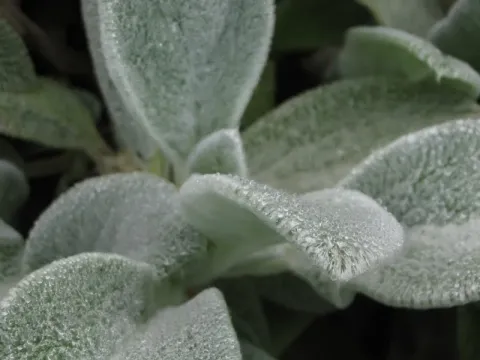
Lamb's ear
Stachys hybrids
Stachys byzantina, commonly known as Lamb's ear, is a resilient perennial belonging to the Lamiaceae family. Propagation is predominantly achieved through division of established clumps, typically performed in early spring or autumn to ensure successful root establishment.
What the section contains
Lamb's ear
Seeds can also be sown, although they require a period of stratification to improve germination rates. Sowing occurs in early spring, either directly into prepared garden beds or in trays within a greenhouse environment.
When starting seeds indoors, use a well-draining, lightweight potting mix. Cover the seeds very lightly with soil, as they require light to germinate efficiently, and maintain a consistent temperature of around 20 degrees Celsius.
Seedlings should be thinned out or transplanted when they develop at least two sets of true leaves. This allows the root system to develop adequately before the plants are moved to their permanent outdoor location.
Spacing is critical for the long-term health of the crop. Providing at least 30 to 45 centimeters between individual plants facilitates sufficient airflow and prevents moisture accumulation around the base.
Lamb's ear thrives in full sun, which is essential for maintaining the plant's characteristic silvery, fuzzy appearance. While it tolerates partial shade, excessive shade results in leggy growth and increased vulnerability to disease.
The ideal soil for this crop is lean, gritty, and fast-draining. It is exceptionally drought-tolerant once established and does not require rich or heavily amended soils, which can actually cause the plant to become soft and prone to rot.
Minimal fertilization is necessary for this species. Over-fertilizing, particularly with nitrogen-rich compounds, promotes rapid, weak growth that ruins the plant's dense, compact form and aesthetic appeal.
Irrigation management is the most critical aspect of the plant's care. Water should be applied at the soil level rather than over the foliage, as moisture trapped within the dense hairs can quickly lead to fungal issues.
The plant is highly hardy and typically survives winter temperatures without protection. In areas with high winter precipitation, ensuring excellent drainage is the primary defense against cold-induced rot.
Root and crown rot represent the most significant threats to Stachys byzantina, usually triggered by poor drainage or overly humid environmental conditions. Improving soil permeability is the best preventative strategy.
Powdery mildew is a common fungal infection, especially during late summer when humidity levels fluctuate. Regular thinning and removal of crowded foliage can significantly reduce the incidence of this pathogen.
Slugs and snails are the most prevalent pests that target the foliage of Lamb's ear. Their feeding patterns leave irregular holes, which can be managed by utilizing copper barriers or organic bait traps around the perimeter.
Aphids occasionally colonize the tips of the flower spikes. Monitoring during the early blooming period allows for quick intervention using insecticidal soaps or neem oil before populations expand.
Maintaining a clean growing area by removing decaying leaves at the base of the plant is vital. This hygiene practice prevents the buildup of pathogens and ensures that the air circulates freely throughout the foliage mat.