
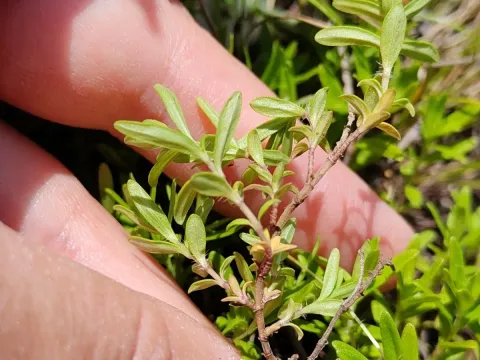
Kirghiz thyme
Thymus kirgisorum
Kirghiz thyme (Thymus kirgisorum) is a perennial subshrub belonging to the Lamiaceae family. Native to the rocky slopes and semi-desert steppes of Central Asia, this plant is naturally adapted to harsh, arid environmental conditions.
What the section contains
Kirghiz thyme
This culture is characterized by exceptional drought tolerance and winter hardiness, making it a viable candidate for cultivation in various continental climate regions. It grows in dense mats featuring woody stems and small leaves, which are rich in aromatic essential oils.
To successfully cultivate this herb, growers must provide open, sunny sites with light, well-draining soils. Thyme is extremely sensitive to waterlogging in the root zone, so sandy or rocky substrates are considered the most appropriate choice.
The optimal pH range for this crop is slightly alkaline to neutral. The plant thrives in well-aerated soils and requires full sunlight throughout the growing season to ensure high concentration of its medicinal compounds.
Kirghiz thyme is primarily used in the pharmaceutical, food, and cosmetic industries. High levels of thymol and carvacrol make it a highly valued raw material for herbal medicines, culinary spices, and as a quality honey-producing plant.
Sowing of Kirghiz thyme is typically conducted in early spring, once the soil temperature reaches at least 8–10 degrees Celsius. In regions with harsh winters, dormant fall sowing can also be performed to allow for natural seed stratification.
The seeds are very small, so they should be sown at a shallow depth, not exceeding 0.5–1 cm. In agricultural practice, row seeding is common with row spacing between 45 and 60 cm, facilitating efficient mechanical weeding and maintenance.
During the first year, the crop develops slowly, focusing mainly on root system establishment and basal leaf rosette growth. It is crucial to maintain weed-free conditions during this early phase to ensure the plants receive adequate resources.
For uniform germination, the seedbed must be well-prepared with fine soil aggregates and moderate moisture levels. Rolling the soil surface after seeding improves the contact between the seeds and the substrate, which speeds up germination.
Transplanting seedlings started in trays can reduce the production cycle. Planting is performed once the seedlings reach the 4–6 true leaf stage, which provides a head start and improves crop uniformity in the field.
Kirghiz thyme possesses strong natural resistance due to its phytoncides, but improper farming practices can lead to fungal issues. Root rot is the most serious threat, typically triggered by excess moisture and poor soil drainage.
Common pests include weevils and spider mites, which may damage young foliage during prolonged drought periods. Regular inter-row cultivation helps to disrupt the life cycles of soil-dwelling pests.
Preventive strategies involve managing plant density to ensure sufficient airflow, as stagnant air in dense plantings creates favorable conditions for powdery mildew. Proper site selection remains the best defense.
Chemical pesticides should be avoided, as the plant is grown for the production of essential oils and herbal raw materials. Integrated pest management using biological controls is the preferred approach for sustainable farming.
Crop rotation is essential for long-term health. Avoid planting thyme in fields where other Lamiaceae species have grown in the previous three years to prevent the accumulation of host-specific pathogens.
Harvesting is performed during the peak flowering stage, when the concentration of essential oils in the biomass is at its highest. Depending on the local climate, this usually occurs between June and July.
Stems should be cut at a height of 5–8 cm above the ground. This preserves the woody base of the plant and stimulates rapid regrowth for subsequent harvests in the following seasons.
The harvested material must be dried in shaded, well-ventilated areas or in specialized drying chambers at temperatures not exceeding 40 degrees Celsius to prevent the loss of volatile compounds.
Dried product should be stored in airtight containers away from direct sunlight. This ensures the preservation of the plant's aromatic profile and medicinal potency over time.
With proper agrotechnical management, a Kirghiz thyme plantation can remain highly productive for 5–7 years, after which the field should be renewed or replanted to maintain high yields.