
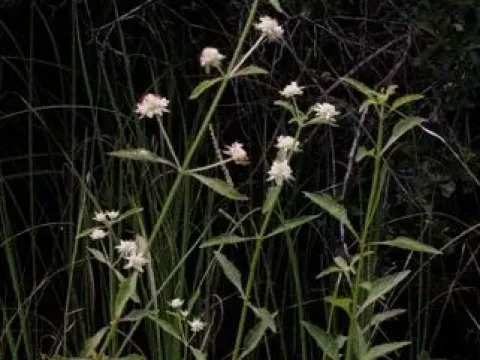
Hyptis lophanta
Hyptis lophanta
Hyptis lophanta seeds are characterized by relatively low germination vigor, requiring soil temperatures of at least 15–18 degrees Celsius to initiate growth effectively.
What the section contains
Hyptis lophanta
In large-scale farming, seeds are sown in rows with a spacing of 45 to 60 centimeters, which is essential to allow for mechanical weed control and field maintenance.
The planting depth should be strictly kept between 1 and 2 centimeters, as the small seeds are highly sensitive to oxygen levels and can fail if buried too deep.
Proper seedbed preparation is critical to avoid soil crusting, which can create a physical barrier preventing the emergence of delicate seedlings.
In regions with short growing seasons, starting the plants in greenhouses and transplanting them after the risk of frost is highly recommended for yield stability.
Hyptis lophanta is a member of the Lamiaceae family, recognized for its aromatic properties due to the presence of high-value essential oils within its foliage.
This crop thrives in full sunlight and requires open areas with good exposure to solar radiation to maximize its metabolic production and biomass accumulation.
It prefers fertile, well-draining loamy or sandy soils with a neutral pH level, which facilitates healthy root development and prevents water stagnation.
While the plant is somewhat drought-tolerant, consistent moisture availability during the early vegetative stage is essential for establishing a robust canopy.
Temperature optimization is key, with ideal development occurring within the 20–25 degree range, ensuring rapid leaf expansion and oil development.
The economic value of this crop is primarily driven by its green biomass, which serves as a raw material for the pharmaceutical and fragrance industries.
Yield performance is closely tied to nitrogen management during the vegetative phase, which encourages dense foliage growth and increases overall harvestable mass.
The concentration of essential oils typically peaks at the onset of the flowering stage, making precise timing of the harvest critical for economic output.
Under intensive management, including drip irrigation and fertigation, farmers can achieve high yields, often exceeding 20–30 tons of green matter per hectare.
Post-harvest processing efficiency remains a major factor in determining the final profit margin, as the quality of the essential oil depends on rapid handling.
Soil-borne pests such as wireworms and mole crickets pose a significant threat to young seedlings and can severely reduce plant populations in early spring.
Excessive humidity often leads to fungal outbreaks, such as root rot and powdery mildew, which can compromise the health of the entire crop plantation.
Crop rotation practices are essential; avoiding the cultivation of Hyptis lophanta on the same plot for at least three to four years helps prevent disease buildup.
Effective weed management is mandatory, as weeds compete for nutrients and light while potentially acting as hosts for various viral diseases.
Using certified, pathogen-free seeds and regular field monitoring allows for the implementation of integrated pest management strategies to protect the crop.
Harvesting is ideally performed using specialized machinery during the early flowering phase to ensure the highest quality of essential oil extraction.
The harvested material must be processed immediately, as any delay in transportation or drying can lead to the loss of volatile aromatic compounds.
Proper drying is conducted in well-ventilated facilities with temperatures controlled below 40 degrees Celsius to maintain the integrity of the plant extracts.
After drying, the biomass is cleaned of mechanical debris to meet the stringent quality standards required by industrial processing and manufacturing partners.
Storage must occur in a cool, dry environment to prevent mold growth and maintain the chemical stability of the essential oils for a prolonged period.