
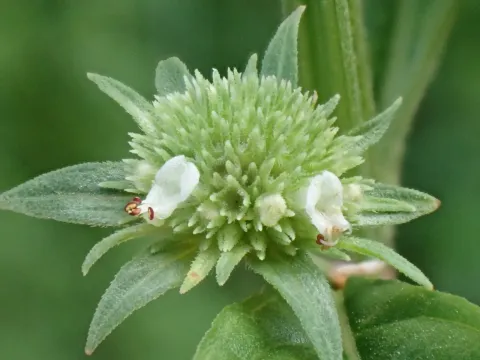
Hyptis lanceolata
Hyptis lanceolata
Hyptis lanceolata is a herbaceous perennial member of the Lamiaceae family, primarily recognized for its specific aromatic properties and utility in traditional systems. It belongs to a genus known for its diverse chemical composition and adaptability to tropical climates.
What the section contains
Hyptis lanceolata
The crop thrives in well-drained, nutrient-rich soils. While it exhibits some tolerance to varying soil types, sandy loam environments that prevent moisture accumulation around the root zone are ideal for maximizing biomass production and essential oil content.
Environmental conditions play a crucial role in the development of Hyptis lanceolata. It requires high levels of solar radiation to stimulate metabolic processes and prefers ambient temperatures ranging from 20 to 30 degrees Celsius throughout the active growth phase.
Irrigation management is vital, especially during the seedling establishment stage. Although mature plants demonstrate some resistance to brief dry spells, maintaining consistent soil moisture is necessary to ensure uniform growth and avoid premature lignification of the stems.
Standard agronomic practices include the application of organic amendments to boost soil fertility. Providing adequate space between plants allows for optimal development, which facilitates easier harvesting and reduces the risk of humidity-related physiological stress.
The primary biotic threats to this crop include sucking insects such as aphids and spider mites. These pests can cause significant damage to the foliage, directly affecting the plant's ability to photosynthesize and ultimately reducing the final harvest weight.
Fungal pathogens remain a persistent challenge in humid environments. Root rot and powdery mildew can decimate field populations if drainage systems fail or if planting densities are excessively high, preventing necessary airflow through the canopy.
Integrated pest management (IPM) strategies are recommended to maintain high production standards. These strategies often involve the use of bio-pesticides and natural predators, which help mitigate chemical residues in the final harvested product.
Weed competition is particularly critical during the early weeks of crop development. Because Hyptis lanceolata has a relatively slow growth rate initially, mechanical or manual weeding is essential to prevent shading and nutrient deprivation.
Field hygiene is fundamental in managing agricultural risks. Clearing plant debris and maintaining fallow periods between rotations can significantly reduce the pressure from soil-borne pathogens and ensure a sustainable farming cycle for future harvests.