
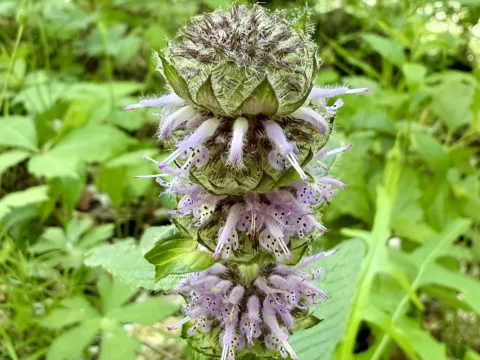
Blephilia
Blephilia
Blephilia seeds should be sown in early spring, once soil temperatures reach at least 8–10 degrees Celsius. For propagation, starting seeds indoors in late February allows young plants to establish a strong root system before they are transplanted into the field.
What the section contains

Blephilia
Direct outdoor seeding requires shallow covering of the seeds, as they benefit from light exposure to break dormancy. Preparing a fine, weed-free seedbed is crucial to ensure that young seedlings are not outcompeted during their fragile initial growth stages.
The recommended planting density involves spacing rows approximately 40–50 centimeters apart. This layout ensures adequate airflow throughout the canopy, which is essential for maintaining plant health and preventing moisture-related fungal issues.
Stored under cool, dry conditions, Blephilia seeds typically remain viable for 2 to 3 years. Using pre-stratified seeds can significantly improve germination rates and produce more uniform stands across the cultivated plot.
Agronomists suggest pre-soaking seeds in growth-stimulating solutions before planting to accelerate sprout emergence. This practice helps crops reach the active vegetative phase faster, allowing for more consistent harvest timing.
As a member of the Lamiaceae family, Blephilia thrives in well-drained, fertile loamy or sandy soils with a neutral pH. The plant is highly sensitive to waterlogged conditions, which can cause severe damage to the root system.
The crop is light-loving and performs best in open, sunny locations. While it can tolerate partial shade, the production of essential oils and overall chemical profile are maximized under intense sunlight exposure.
Blephilia exhibits moderate winter hardiness, consistent with species native to the temperate zones of North America. In regions with harsh, snowless winters, applying a layer of organic mulch can protect the root crown from extreme fluctuations.
Consistent irrigation is required during dry spells, particularly when plants enter the flowering stage. However, once established, Blephilia displays notable drought tolerance compared to many other herbaceous species.
Fertilization should focus on organic composts or balanced mineral fertilizers applied in the spring. Excessive nitrogen should be avoided, as it may degrade the essential oil quality, favoring potassium and phosphorus instead for structural health.
The economic yield of Blephilia is measured by the harvested biomass used in pharmaceutical or ornamental applications. Productivity depends on row spacing, soil moisture maintenance, and the overall vigor of the perennial root stock.
With optimal agronomic care, a single mature plant develops into a dense, multi-stemmed bush with numerous floral spikes. Raw material harvest is typically scheduled during the peak flowering phase to ensure maximum potency of secondary metabolites.
Yield metrics usually peak during the second and third years of the planting cycle as the root system matures. Long-term management requires field rejuvenation through crown division or interplanting new stock to maintain high yields.
Regular weeding and hilling are recommended to promote additional adventitious root development and bushier growth. This cultural practice directly impacts the total dry weight yield per hectare.
Economic sustainability is also supported by seed production. Under favorable environmental conditions, Blephilia provides a reliable yield of seeds, which serves as a valuable resource for future planting cycles or commercial sale.
Root rot caused by poor soil drainage and excessive moisture represents the primary threat to the crop. These pathogens can cause sudden wilt and plant loss, making proper field selection and site preparation the most vital preventative steps.
Dense planting can increase the risk of powdery mildew, which manifests as a white, dusty layer on the foliage. To mitigate this, growers should focus on maintaining proper plant spacing and ensuring good ventilation across the entire field.
Aphids and spider mites are the most common pests that feed on tender young shoots. These insects weaken the plant and can serve as vectors for various viral diseases, necessitating consistent weekly scouting.
Slugs and snails can cause significant damage to young seedlings in spring, requiring protective barriers or safe repellent measures. Integrated pest management strategies should focus on environmental control rather than reliance on heavy chemical use.
Disease prevention is largely achieved through strict crop rotation and avoiding soil compaction. Maintaining a healthy soil microbiome is key to minimizing the use of synthetic fungicides in medicinal herb production.
The harvest of Blephilia is performed by cutting the stems at a height of 10–15 centimeters above the soil level. Harvesting should only occur during dry weather to minimize the risk of mold during the subsequent drying process.
For medicinal use, stems are gathered into small bunches and hung in shaded, well-ventilated drying facilities. Direct sunlight must be avoided during drying, as it rapidly degrades the delicate essential oils that define the plant's value.
When seed collection is the objective, flower heads are harvested after they turn brown and begin to dry on the plant. They are carefully collected, further dried in paper bags, and threshed to separate the seeds from chaff.
The harvest period generally falls in mid-to-late summer, depending on the specific climate zone. Timely harvesting is critical to ensure the crop captures the highest possible concentration of its active compounds.
Post-harvest field management includes removing all crop residue to prevent the overwintering of pathogens and pests. Leaving rootstocks in the ground is beneficial as it allows the perennial plant to harden off for the following year.