
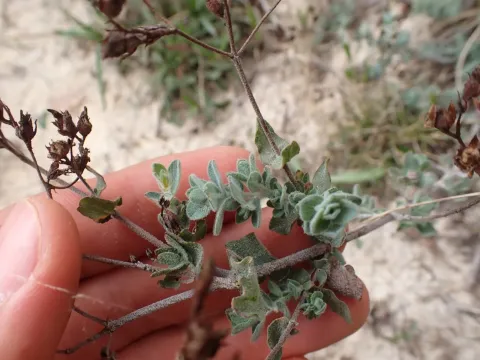
Felt-leaved St. John's wort
Hypericum tomentosum
Sowing Hypericum tomentosum is best performed either in late autumn for natural stratification or in early spring using pre-chilled seeds to ensure uniform germination.
What the section contains
Felt-leaved St. John's wort
Due to the extremely small size of the seeds, they should be surface-sown on finely crumbled soil and pressed down gently without covering them with a thick layer of substrate.
Consistent moisture must be maintained during the initial weeks of germination, as the tiny seedlings are highly vulnerable to dehydration in their early development stages.
Choosing the right planting density is essential for row crops, as overcrowding can lead to increased humidity levels and subsequent fungal issues among the plants.
Once established, the crop develops a strong perennial root system, which allows the plant to survive through winter and regrow vigorously in the following seasons.
Felt-leaved St. John's wort, belonging to the Hypericaceae family, is naturally adapted to Mediterranean climates, favoring open and sunny locations for optimal growth.
The plant performs best in well-drained, sandy or loamy soils that have a slightly alkaline to neutral pH, which mimics its native environmental conditions.
Excessive soil moisture or waterlogging is strictly contraindicated, as these conditions are the primary cause of root rot in this species of St. John's wort.
The species exhibits impressive drought resistance, making it an excellent candidate for regions where water resources for irrigation are limited or costly.
Adequate sunlight is the most critical requirement, as light intensity directly correlates with the density of volatile oils produced within the plant’s tissues.
The yield of Hypericum tomentosum reaches its full potential by the third year of cultivation, providing a reliable harvest of high-quality medicinal biomass.
Regular maintenance of the plantation, including weed control and strategic nutrient management, is necessary to ensure consistent annual yields throughout the plant's productive life.
The concentration of beneficial compounds is highest during the peak flowering season, which determines the ideal timing for harvesting to maximize product quality.
Proper harvest management allows for multiple years of continuous cropping from the same field without the need for frequent replanting or soil depletion.
Yield metrics are typically measured by the dry weight of harvested aerial parts, ensuring the final product meets market standards for herbal preparations.
Common health issues for this culture include fungal infections like mildew and leaf spots, which are more prevalent in environments with high ambient humidity.
Insect pests, such as leaf beetles, can cause significant damage to the foliage, thereby reducing the total harvestable biomass and quality of the raw material.
Integrated pest management (IPM) strategies, including biological controls, are highly recommended to keep pest populations at manageable levels without chemical residues.
Proper field hygiene, such as removing infected plant debris, plays a crucial role in preventing the spread of soil-borne pathogens across the cultivated area.
Good air circulation within and between the rows is essential for mitigating the risk of pathogen outbreaks during warm and humid periods of the growing season.
Harvesting is performed during the peak blooming phase, using mechanical cutters or hand tools to prune the top 20–25 cm of the flowering stems.
Immediate post-harvest processing is required to preserve the volatile oils; materials should be spread out in thin layers in shaded, airy structures.
Temperature control during the drying process is critical, with optimal levels kept below 45 degrees Celsius to prevent the degradation of heat-sensitive compounds.
Storage of the finished product requires airtight containers kept in a dark, dry environment to maintain the shelf life and potency of the medicinal herb.
Quality control at the harvest stage ensures that the material is free from weeds and impurities, meeting the specific requirements of the herbal medicine industry.