
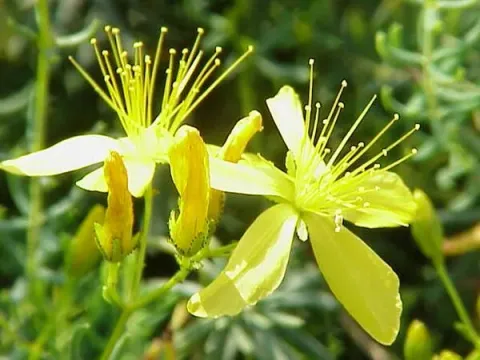
Dwarf St. John's wort
Hypericum nanum
Dwarf St. John's wort (Hypericum nanum) is a perennial herbaceous plant belonging to the Hypericaceae family. Recognized for its low-growing, compact habit, this species typically thrives in alpine environments and rocky terrains, which dictates its specific agronomic needs.
What the section contains
Dwarf St. John's wort
The crop is highly photophilous, requiring full sun exposure to maintain its structural integrity and optimize the production of secondary metabolites. Inadequate sunlight leads to etiolation and significantly reduces the medicinal quality of the harvested biomass.
Soil requirements for Hypericum nanum emphasize excellent drainage. The plant is adapted to nutrient-poor, sandy, or rocky soils. It cannot tolerate waterlogged conditions, which lead to root rot and eventual death of the plants; therefore, site selection is the most critical factor.
The plant demonstrates high resilience to drought due to its adaptive root architecture. Once established, it requires minimal irrigation, making it suitable for low-input farming systems in suitable climatic zones that replicate its natural mountain habitat.
Maintenance of soil pH is generally straightforward, as the plant prefers neutral to slightly acidic conditions. Over-fertilization, especially with nitrogen, should be avoided as it encourages succulent growth prone to pathogens rather than the hardy structure typical of the species.
Fungal pathogens such as powdery mildew are the most common threats, particularly in areas with poor air circulation or high humidity. Maintaining proper spacing between rows is essential to facilitate airflow and keep foliage dry, which suppresses the development of fungal spores.
Fusarium wilt represents a serious threat in poorly drained soils where stagnant water promotes anaerobic conditions. Ensuring a sloped planting area or adding gravel amendments can effectively mitigate the risk of soil-borne pathogens attacking the root system.
Insect pests, including various species of leaf-eating beetles, can cause significant damage to the foliage during the active growth period. Integrated pest management (IPM) strategies, focusing on early detection, are highly recommended to keep populations below economic injury levels.
Aphid infestations can occur during warm spring periods, targeting the succulent shoot tips. If left untreated, they can weaken the plant and serve as vectors for various plant viruses, necessitating a prompt and targeted response using approved organic control methods.
General hygiene on the plantation is a non-negotiable aspect of cultivation. The systematic removal of dead plant material and debris at the end of the season is critical for reducing the overwintering population of pests and the inoculum of fungal diseases for the coming year.