
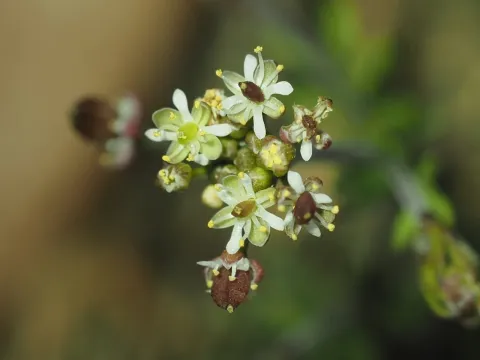
Hymenolobus
Hymenolobus
Sowing Hymenolobus is best performed in the early spring once the soil has warmed up sufficiently and is free from excess moisture to prevent seed rot.
What the section contains
Hymenolobus
The seeds should be planted at a shallow depth of 1–2 cm, as they are relatively small and require consistent contact with moist soil to germinate successfully.
Drill seeding with subsequent rolling is recommended to ensure even distribution and uniform plant stand, which is crucial for maximizing yield potential.
Seeding rates typically range between 6 and 12 kg per hectare, depending on whether the crop is intended for biomass or seed production purposes.
Preparation of the seedbed is essential: a finely tilled surface helps improve emergence rates and creates an environment where the crop can establish itself quickly.
Hymenolobus belongs to the Brassicaceae family and is known for its ability to thrive in a variety of well-drained soil types, preferring neutral pH levels.
The plant demonstrates significant hardiness and can tolerate early spring fluctuations in temperature, making it a reliable choice for cooler climate zones.
Moisture availability is key during the vegetative stage, as the crop requires consistent water supply to develop a lush and healthy biomass.
It prefers sunny locations and performs optimally in open fields with adequate ventilation, which helps reduce the risk of humidity-related fungal issues.
Nutrient management, particularly nitrogen fertilization, is highly effective in boosting the growth rate and overall quality of the harvested produce.
The main pests threatening Hymenolobus include flea beetles, which can cause significant damage to young seedlings if not monitored during the early growth phase.
Fungal diseases, such as downy mildew or various leaf spot pathogens, may emerge during prolonged rainy spells, requiring appropriate chemical control if infestation occurs.
Integrated Pest Management (IPM) strategies, including crop rotation and the use of resistant varieties, are highly recommended to minimize reliance on pesticides.
Weed management should be conducted early in the growing cycle to prevent competition for nutrients and sunlight, which can significantly stunt crop development.
Regular field scouting is a vital part of the agronomic plan, allowing for timely identification of pest hotspots and the application of targeted treatment measures.