
Hymenanthera
Hymenanthera
Description
Growing requirements
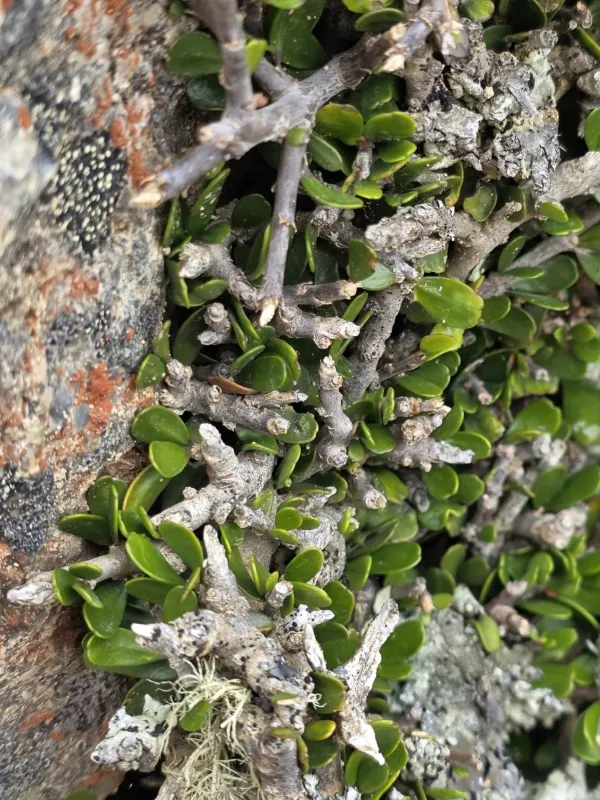
Hymenanthera is a genus of shrubs belonging to the Violaceae family. These plants are known for their intricate branching patterns and are often used in landscape design for their unique architectural value.
Originating from Australia, New Zealand, and surrounding islands, these plants thrive in temperate climates. They require a balanced environment with sufficient light and protection from harsh, drying winds.
Optimal soil for Hymenanthera must be well-drained and slightly acidic to neutral. High moisture retention is beneficial, but the substrate must never become waterlogged to avoid root suffocation.
Temperature management is crucial, as most species are not fully frost-hardy. During winter, they should be protected or moved to a controlled environment if the ambient temperature drops significantly below zero.
Agrotechnical care includes routine pruning to maintain the desired shape and stimulate denser foliage growth. Adding mulch around the base helps maintain soil temperature and moisture levels throughout the growing season.
Main diseases and pests
The primary threats include fungal pathogens such as root rot and leaf spot diseases. These are usually triggered by poor drainage or high humidity combined with stagnant air around the canopy.
Common pests affecting these shrubs are spider mites and aphids, which typically thrive during dry, warm spells. They cluster on the underside of leaves, causing discoloration and eventual drop of foliage.
Preventive measures include spacing plants adequately to ensure good air circulation. This simple technique significantly reduces the likelihood of fungal outbreaks and keeps the foliage dry.
Chemical control should be employed only when necessary, using systemic insecticides for pest management and copper-based fungicides for fungal prevention. Always read labels to ensure safe application.
Early detection is the key to maintaining a healthy shrub. Regular inspection of new growth and root zones allows for timely intervention before infestations or infections become severe.