
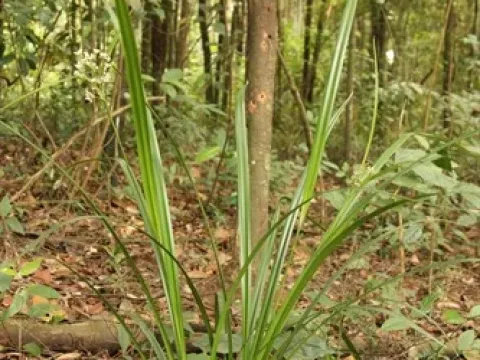
Hypolytrum latifolium
Hypolytrum latifolium
Hypolytrum latifolium is a perennial herbaceous plant belonging to the Cyperaceae family. It is native to the dense, humid rainforests of Southeast Asia, where it thrives in the understory of primary and secondary forests.
What the section contains
Hypolytrum latifolium
This species requires high ambient humidity and consistently moist, well-draining soil rich in organic matter. It is strictly adapted to shaded environments, making it an excellent candidate for shaded tropical landscaping or conservatory cultivation.
Botanically, the plant is characterized by its broad, lanceolate leaves arranged in attractive rosettes. Its root system is fibrous and requires a porous substrate to ensure adequate aeration while maintaining moisture levels necessary for its tropical metabolism.
Environmental requirements include a narrow temperature range between 22 and 28 degrees Celsius. Any significant drop in temperature or prolonged exposure to direct sunlight can severely compromise the plant's health and lead to tissue dehydration.
Cultivation practices involve balanced nitrogen fertilization during the vegetative phase and consistent hydration with water free of high mineral content. Regular maintenance includes removing damaged foliage to encourage new growth from the central rhizome.
Common phytosanitary threats include fungal pathogens such as Pythium and Rhizoctonia, which target the root system under conditions of poor soil drainage. Maintaining a sterile growing environment is critical for disease management.
Insect pests often associated with this species in cultivation include mealybugs and spider mites. These thrive in low-ventilation environments and should be controlled through integrated pest management strategies, avoiding harsh synthetic pesticides where possible.