
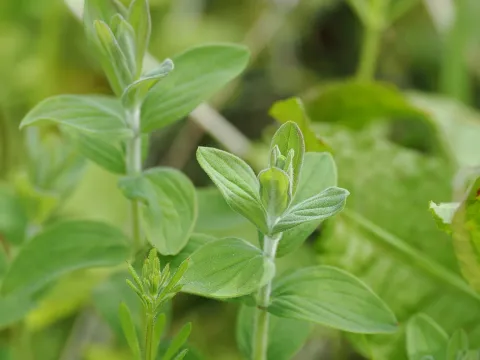
Hairy St. John's wort
Hypericum hirsutum
Hairy St. John's wort (Hypericum hirsutum) is a perennial herbaceous plant belonging to the Hypericaceae family. Propagation is primarily achieved through seeds, which require specific conditions for successful germination.
What the section contains
Hairy St. John's wort
The ideal time for sowing is during the autumn, allowing for natural stratification of the seeds during the winter period. This mimicry of natural conditions significantly improves germination rates in early spring.
If sowing is planned for spring, seeds must be subjected to artificial stratification at low temperatures for several weeks. Sowing depth should remain shallow, typically around 0.5 centimeters, to ensure proper light exposure for the seeds.
Rows should be spaced approximately 50 centimeters apart to allow for proper airflow and mechanical weed control. Maintaining a clean seedbed is essential, as the plant grows slowly during its first year of development.
Once seedlings reach the two-leaf stage, thinning is necessary to ensure adequate space for each plant. This promotes stronger root system establishment and healthier vegetative growth in the subsequent years.
This species prefers fertile, moist, and well-drained soils. Unlike some other Hypericum species, it thrives in soil types with a high calcium content, which is a key factor for its optimal development.
While the plant is often found in woodland margins, it benefits from partial to full sun exposure in agricultural settings. Proper light management is crucial for the accumulation of phytochemicals in the leaves.
The climate requirements include moderate temperatures, as the plant is hardy and well-adapted to temperate zones. It survives winter dormancy exceptionally well without requiring specialized protection in open fields.
Consistent soil moisture is necessary during the active growing phase. While the plant can tolerate short periods of dry conditions, prolonged drought can negatively impact both biomass yield and quality.
Providing balanced mineral fertilization, particularly with an emphasis on potassium and phosphorus, supports the plants during their flowering phase and increases overall harvest value.
Powdery mildew is a common fungal threat, especially in humid conditions or areas with high plant density. Improved ventilation and careful spacing are the most effective preventive measures against this disease.
Various leaf-eating beetles can cause significant damage to the foliage during the growing season. Early scouting and the use of integrated pest management practices are recommended to protect the crop.
Root rot, often caused by waterlogging, is a critical issue. Selecting sites with excellent drainage is mandatory to prevent the loss of entire sections of the crop due to these soil-borne pathogens.
Weeds can quickly overwhelm the crop in the first year of establishment. Mechanical weeding and mulching are standard practices to minimize competition for resources during the sensitive development stage.
Monitoring for signs of rust and other fungal infections is essential, particularly in wet years. Maintaining field hygiene and removing infected plant matter helps to contain potential outbreaks.
Harvesting is conducted during the peak flowering stage, which ensures the highest concentration of active compounds. This generally occurs in mid-summer when the buds are fully opened.
Only the upper portions of the shoots, approximately 20 to 30 centimeters in length, should be harvested. Using sharp shears prevents damage to the crown of the plant, ensuring its longevity for multiple harvest cycles.
Drying must occur in a dark, well-ventilated space to preserve the plant's natural pigments and volatile compounds. Temperatures must remain strictly below 40 degrees Celsius to prevent degradation.
Regular checking and turning of the drying material are necessary to ensure even moisture loss. Proper drying time typically ranges from one to two weeks depending on local ambient humidity.
Storage should be handled in cool, dry, and dark conditions using breathable packaging materials. High-quality dry material should retain a vibrant color and a characteristic pleasant scent.