
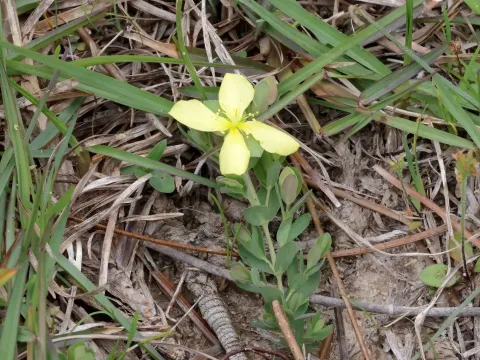
St. John's wort (Hypericum suffruticosum)
Hypericum suffruticosum
Hypericum suffruticosum, known as St. John's wort, is a perennial plant species belonging to the Hypericaceae family. It is native to the southeastern United States and is characterized by its woody base and fine, needle-like foliage, distinguishing it from other common Hypericum species.
What the section contains
St. John's wort (Hypericum suffruticosum)
Cultivation of this species requires well-draining, sandy or loamy soils. It thrives in open, sunny locations where it can receive maximum exposure to sunlight, which is crucial for promoting dense growth and healthy flowering throughout the season.
The plant demonstrates significant tolerance to heat but requires consistent care during its establishment period. Once rooted, it shows moderate drought tolerance, making it an excellent choice for xeriscaping or low-maintenance garden projects in appropriate climate zones.
Climatic requirements involve protection from extreme frost. While it is hardy in many temperate zones, excessive moisture during freezing temperatures can damage the root system, so adequate drainage is the most critical factor for survival.
In terms of agricultural and horticultural use, this shrub is valued for its unique texture and visual appeal. It is increasingly integrated into nursery production as a specialized ornamental crop, suitable for commercial landscapes that require sustainable, low-input plantings.
The primary threats to Hypericum suffruticosum include fungal pathogens such as rust and powdery mildew. These diseases typically manifest under conditions of poor air circulation and high relative humidity, often triggered by overhead irrigation.
Pest management is focused on controlling aphids and spider mites, which can cause significant stress during dry, warm periods. Infestations should be managed early to prevent damage to the delicate foliage and reduce the risk of secondary infections.
Integrated pest management (IPM) practices are highly recommended for the cultivation of this species. This includes regular scouting for early detection of signs and the judicious use of selective pesticides only when pest populations exceed acceptable thresholds.
Effective soil management is also a form of disease prevention. Ensuring that the planting site has optimal drainage prevents waterlogging, which is the most frequent cause of root-related failures in Hypericum cultivation.
Routine sanitation, including the removal of dead or decaying plant material, is essential. Keeping the ground clean around the base of the shrubs helps in reducing the overwintering capacity of common pests and disease spores in the immediate vicinity.