
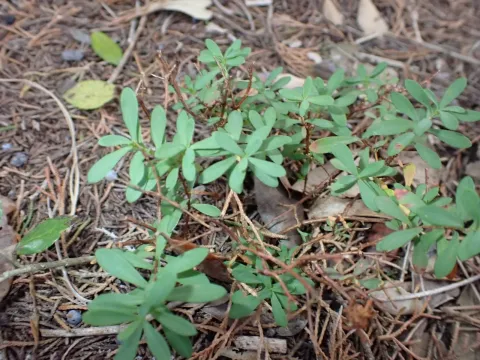
St. Andrew's cross
Hypericum hypericoides
St. Andrew's cross (Hypericum hypericoides) is a unique perennial shrub belonging to the Hypericaceae family. Native to North America, it is widely recognized for its distinctive cross-shaped flowers and elegant habit.
What the section contains
St. Andrew's cross
The plant features woody stems at the base and narrow leaves, which are rich in glands containing chemical compounds. This structure makes the plant highly resilient in its native forest habitats.
For optimal growth, this species requires well-drained, slightly acidic soil. It performs best in partial shade, mimicking the conditions of its natural forest understory environment.
Climate requirements include moderate moisture and protection from extreme temperature fluctuations. In northern regions, winter mulching is essential to protect the root system from freezing.
Economically, the plant is valued as an ornamental groundcover and a potential source of pharmacological compounds, contributing to its niche popularity in both botanical gardens and specialized herbal production.
Rust diseases are the primary threat to Hypericum hypericoides, especially in humid environments where air circulation is restricted around the foliage.
Powdery mildew can occur during periods of high humidity and heat, appearing as a white coating on the leaves and severely weakening the overall plant vigor.
Aphids and spider mites are common pests that target the terminal shoots, leading to stunted growth and damage to the potential harvest of plant tissues.
Integrated pest management, including regular scouting and selective pruning, is recommended to keep pest populations below the economic threshold level.
Proper spacing between plants is critical to ensure airflow, which significantly reduces the risk of fungal outbreaks throughout the active growing season.