
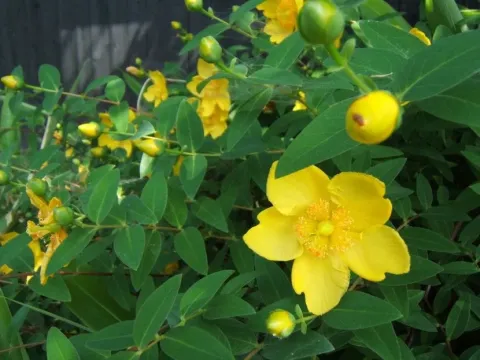
St. John's wort (Hypericum bellum)
Hypericum bellum
Hypericum bellum is a perennial herbaceous plant belonging to the Hypericaceae family. It is recognized for its unique biological profile, which makes it a notable candidate for both ornamental gardens and controlled agricultural cultivation.
What the section contains
St. John's wort (Hypericum bellum)
The plant thrives in temperate climates and requires full sun exposure to optimize its growth rates and secondary metabolite production. Lack of sunlight often leads to weak stems and diminished flowering capacity.
Soil requirements focus on fertility and drainage; the plant performs best in well-drained, sandy loam soils with a neutral or slightly acidic pH balance. Poor drainage is a critical risk factor, often leading to rapid root decay.
Agrotechnical management requires consistent weed control throughout the establishment phase. As the plant develops a taproot system, keeping the surrounding soil loose is essential for root aeration and nutrient uptake.
Watering should be managed strategically. While regular moisture is necessary during the early growth stages, the frequency should be reduced during the maturation phase to prevent excessive foliage growth at the expense of flower quality.
Fungal diseases, such as rust and leaf spot, are the most significant threats to Hypericum bellum crops. These pathogens often thrive in conditions of high humidity and poor airflow within the crop canopy.
Common pests including aphids and leaf beetles can cause substantial mechanical damage. Monitoring for these insects should begin as soon as the first spring shoots appear to prevent population outbreaks.
Cultural practices such as proper spacing between rows are vital for disease prevention. Ensuring good air circulation allows foliage to dry quickly after rain, significantly reducing infection rates.
Crop rotation is mandatory to maintain soil health. Planting in the same location for multiple years increases the likelihood of soil-borne pathogens establishing themselves in the field.
When chemical intervention is required, it must be performed with strict adherence to regulations concerning medicinal plant quality, preferring systemic products that leave minimal residue on the harvestable parts.