
St. Andrew's cross
Hypericum crux-andreae
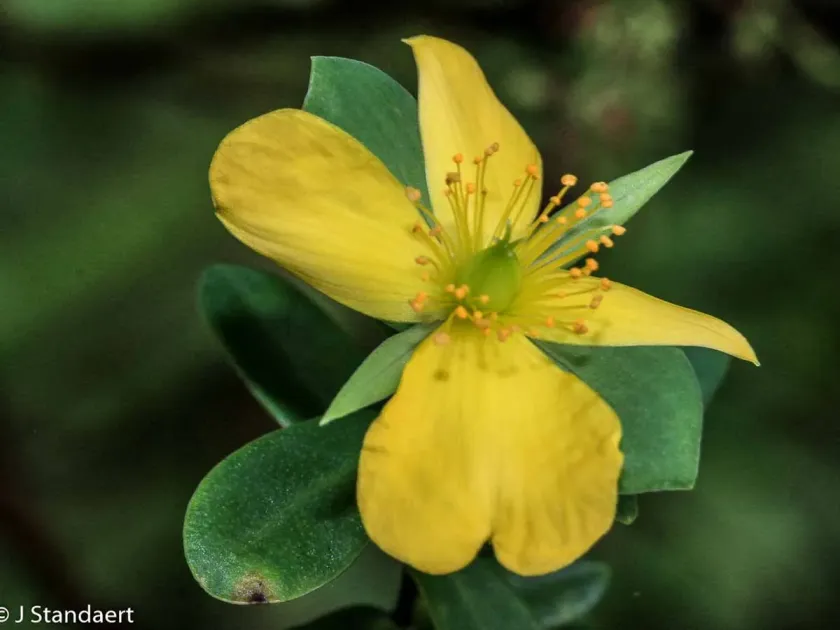
Description
Sowing dates
The sowing of St. Andrew's cross seeds is typically carried out in early spring once soil temperatures reach 10–12 degrees Celsius. The seeds require a period of cold stratification for 4–6 weeks to ensure optimal germination rates and uniform emergence.
Winter sowing is also a viable practice, where seeds are planted in late autumn. This allows for natural vernalization, resulting in more robust seedlings early in the spring season when temperatures are still variable.
Due to the small size of the seeds, they should be sown shallowly, ideally at a depth of no more than 0.5 to 1 cm. A firm seedbed is essential to ensure moisture contact, which is vital for the tiny seeds to break dormancy.
Row spacing is usually set between 45 and 60 cm to allow for efficient mechanical weeding and adequate air circulation. This spacing helps manage the crop environment, reducing the risk of foliage diseases during peak summer heat.
Targeting an optimal plant population is key to high yields. Using high-precision seeding equipment helps to avoid overcrowding, which can otherwise lead to stunted growth and resource competition between individual plants.
Growing requirements
St. Andrew's cross, scientifically known as Hypericum crux-andreae, is a perennial plant within the Hypericaceae family. It is characterized by its woody base and distinct, cross-shaped leaf arrangement that sets it apart from other species.
The crop thrives in full sunlight, which is necessary for the development of its bioactive components. While it can withstand partial shade, significant reductions in plant vigor and essential oil content are observed in shaded environments.
Regarding soil, the species prefers well-drained, slightly acidic to neutral sandy or loamy soils. It is particularly sensitive to waterlogging, as standing water at the root zone can lead to rapid decay of the plant's health.
The plant is considered quite hardy, capable of surviving temperature fluctuations. While it benefits from moderate moisture throughout the spring growth phase, established plants show remarkable drought tolerance once their deep root systems are set.
Agricultural management must prioritize weed control during the establishment phase, as the young seedlings are not highly competitive. Clean cultivation practices in the first year are critical for long-term plantation productivity.
Main diseases and pests
Fungal pathogens such as Fusarium wilt represent the primary threat to healthy yields, especially in humid or poorly drained soil conditions. Managing moisture levels and selecting appropriate sites are the most effective preventive measures.
Leaf-spotting fungi can also affect the crop, particularly when moisture levels are high and foliage remains wet for extended periods. Proper spacing and airflow are fundamental strategies for reducing the incidence of these diseases.
Aphids and various leaf-feeding insects are common pests that may require monitoring. Integrated pest management, including the use of biological control agents, is preferred over chemical interventions to maintain the organic quality of the produce.
Powdery mildew may occur if planting density is too high, leading to stagnant air around the plants. Pruning or thinning operations can significantly lower the risk of infection by improving ventilation throughout the plant canopy.
Root system health should be inspected regularly. Ensuring that the soil structure remains aerated prevents anaerobic conditions, which are the primary drivers of root rot outbreaks in this species.
Harvesting
Harvesting St. Andrew's cross is best timed during the peak flowering stage. This is when the plant's chemical profile is optimal, ensuring that the harvested material meets quality standards for its subsequent medicinal or industrial use.
The crop is harvested by cutting the upper aerial parts of the plant, typically leaving 10–15 cm of stem above the crown to facilitate regrowth. Mechanical harvesting using tractor-mounted cutters is efficient for large-scale operations.
Post-harvest management involves rapid processing to prevent fermentation. Freshly cut biomass should be spread thin or transported to a processing facility to avoid heating, which can destroy volatile oils and alter color.
Drying must be conducted in controlled environments with temperatures ranging from 40 to 50 degrees Celsius. Maintaining these conditions ensures that the harvested material retains its desirable aromatic qualities and chemical integrity.
Once dried to the appropriate moisture content, the product should be stored in cool, dry, and dark conditions to prevent oxidation. Proper packaging in air-tight containers helps extend the shelf life and quality of the final product.