
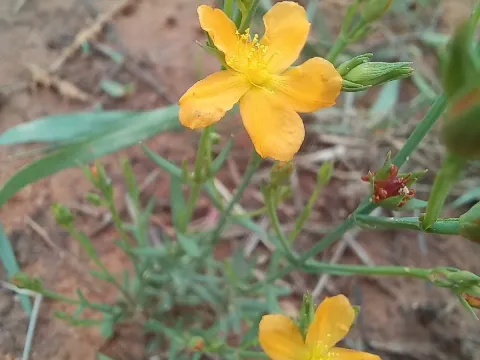
Hypericum lalandii
Hypericum lalandii
Sowing Hypericum lalandii seeds is typically conducted in the spring, once soil temperatures reach 12–15 degrees Celsius. To achieve high germination rates, the seeds require stratification, making it optimal to sow them in late autumn or use pre-chilled planting material.
What the section contains
Hypericum lalandii
Sowing is performed in rows with a spacing of approximately 45–60 centimeters, ensuring adequate growing space for each plant. The seeds should be sown at a minimal depth, as they are extremely small and require surface contact with the soil for successful germination.
In commercial cultivation, the transplanting method is preferred, as it allows for stronger seedlings before they are moved to their permanent location. This practice reduces the risk of young shoots perishing due to unfavorable weather conditions or weed competition during the early growth phase.
Optimal planting density is calculated based on production objectives, whether for biomass yield or ornamental use. In dense plantings, it is essential to provide timely thinning to prevent the development of fungal pathogens.
Consistent monitoring of soil moisture after sowing is a critical success factor, as seedlings at the early stages are highly sensitive to the desiccation of the topsoil layer.
Hypericum lalandii, a member of the Hypericaceae family, originates from African regions, which dictates its preference for sunlight. The crop thrives in well-lit areas without significant shade, where the plant can maximize its growth potential.
Soil requirements include well-drained substrates with moderate fertility. The plant does not tolerate waterlogging in the root zone, so when selecting a site, one should avoid low-lying areas with heavy clay soils.
Climatic conditions for this crop should be temperate or subtropical, as the species possesses limited frost resistance. In regions with harsh winters, protective covering or cultivation under greenhouse conditions is mandatory.
During agronomic maintenance, regular weeding is crucial because Hypericum lalandii develops slowly in the seedling phase and is easily suppressed by aggressive weeds. Mulching helps maintain the necessary microclimate in the root zone.
Irrigation should be moderate and regular, especially during dry summer periods. Excessive application of nitrogen fertilizers is discouraged, as it can reduce the concentration of biologically active compounds in the aerial parts of the plant.
Among the most dangerous diseases for this species are fungal infections, such as powdery mildew and fusarium wilt. These conditions manifest when moisture regulation is poor and ventilation at the site is inadequate.
Pests that cause significant damage to plantations include leaf beetles and various aphid species, which attack young shoots and leaves. Timely monitoring allows for the prevention of widespread insect outbreaks.
Root rot becomes a common issue with improperly managed irrigation or the use of sites with poor drainage. Prevention relies on adhering to crop rotation and treating planting material prior to establishment.
When pathogens occur, the use of biological control agents is recommended to maintain the ecological integrity of the harvest, which is particularly important for medicinal raw materials. Chemical pesticides should be used only as a last resort and strictly according to regulations.
Sanitary cleaning of the plantation after harvest, which includes the removal of plant residues, significantly reduces the infectious load in the soil and the probability of recurring contamination in the next season.
Harvesting Hypericum lalandii is conducted during the mass flowering stage, when the concentration of beneficial components in the aerial mass reaches its peak. At this time, the plant possesses its most pronounced therapeutic properties.
The upper parts of the stems, approximately 20–30 centimeters in length, are cut using mechanized means or hand tools. It is important to leave the lower portion of the plant with leafy shoots to ensure successful overwintering and regrowth in future cycles.
Collected material must be transported promptly to the drying facility to prevent self-heating and quality degradation. Drying should take place in the shade with good ventilation to avoid pigment degradation caused by direct sunlight.
After drying, the material undergoes post-harvest processing, including the removal of impurities and mechanical grinding to the desired fraction. Quality raw material must retain its natural color and characteristic aroma.
Storage of the finished product is carried out in dry, dark, and cool warehouse facilities with controlled humidity levels, ensuring the long-term preservation of active compounds.