
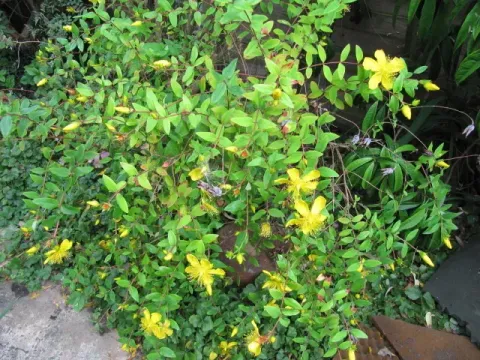
Hypericum kouytchense
Hypericum kouytchense
The propagation of Hypericum kouytchense in agricultural and nursery settings is primarily achieved through seed sowing in greenhouses or vegetative cuttings.
What the section contains
Hypericum kouytchense
Seeds should be sown in late winter or early spring using a well-draining soil mix to ensure successful germination and seedling development.
A period of cold stratification for the seeds is highly recommended to break dormancy and significantly increase the overall germination rate.
Vegetative propagation via semi-hardwood cuttings is also a common practice, usually performed in mid-summer with the use of rooting hormones.
Transplanting into the permanent garden site should occur only after the danger of frost has passed, ensuring the soil is adequately warmed.
Hypericum kouytchense is an attractive semi-evergreen shrub belonging to the Hypericaceae family, prized for its golden flowers and lush foliage.
The plant thrives best in full sun but maintains good vigor in partial shade, particularly in climates with very intense summer heat and dryness.
Well-drained, fertile soil is essential, as the species is highly sensitive to waterlogged conditions that can cause root decay and plant decline.
Regular maintenance involves annual pruning in late winter to remove dead wood and encourage the development of vigorous new flowering branches.
While relatively hardy, the plant benefits from a layer of mulch in colder regions to protect the root zone from harsh winter ground freezes.
The main threats to the health of this shrub include various fungal pathogens that flourish in stagnant, humid environments with poor air circulation.
Rust and powdery mildew are the most common diseases, which require prompt identification and the application of appropriate fungal treatments.
Insect pests such as aphids and spider mites may occasionally infest the plants, particularly during dry and hot summer spells or early autumn.
Integrated pest management strategies, including regular inspections and the use of horticultural oils, are effective in controlling minor infestations.
- Maintain spacing between plants for optimal airflow.
- Avoid overhead irrigation to reduce humidity on foliage.
- Monitor for early signs of leaf discoloration.