
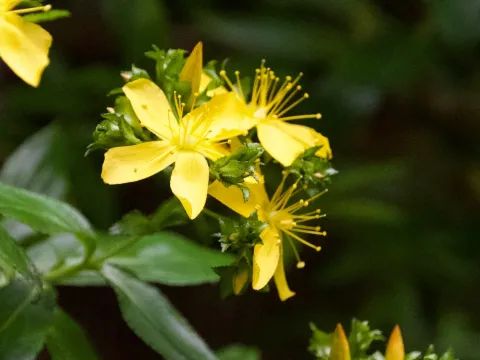
Hypericum glandulosum
Hypericum glandulosum
Hypericum glandulosum is a perennial subshrub belonging to the Hypericaceae family. Originating from the Canary Islands and Madeira, it is a specialized crop that thrives in subtropical maritime conditions.
What the section contains
Hypericum glandulosum
The plant requires well-drained, porous soil to maintain healthy root development. It is highly intolerant of waterlogged conditions, which makes sandy loam or rocky soil types the most suitable for successful cultivation.
Sunlight is a critical factor for this species. To achieve optimal biomass and the accumulation of secondary metabolites, it must be grown in full sun exposure throughout the active vegetation phase.
Temperature management is the most significant agronomic challenge. The species is frost-sensitive and performs best in stable, mild climates. In regions with cold winters, greenhouse or indoor container cultivation is mandatory.
Proper irrigation involves the 'soak and dry' method, where the soil is allowed to dry out slightly between waterings, preventing root asphyxiation and promoting strong development of the woody stems.
The primary threats include fungal diseases such as root rot and powdery mildew, which are often triggered by high humidity levels and poor airflow in closed cultivation environments.
Insect pests, notably spider mites and whiteflies, can significantly hinder plant growth during warmer, drier periods. Integrated Pest Management (IPM) is recommended to control these populations.
Overcrowding plants in a growing space restricts ventilation, increasing the risk of bacterial and fungal outbreaks. Maintaining sufficient spacing between specimens is essential for plant health.
Regular visual inspections of the leaf underside are necessary to catch infestations at an early stage before they reach critical levels that could affect the medicinal quality of the plant.
Sanitation practices, such as sterilizing tools and pots, play a vital role in preventing the spread of soil-borne pathogens within the growing area.