
Hypericum libanoticum
Hypericum libanoticum
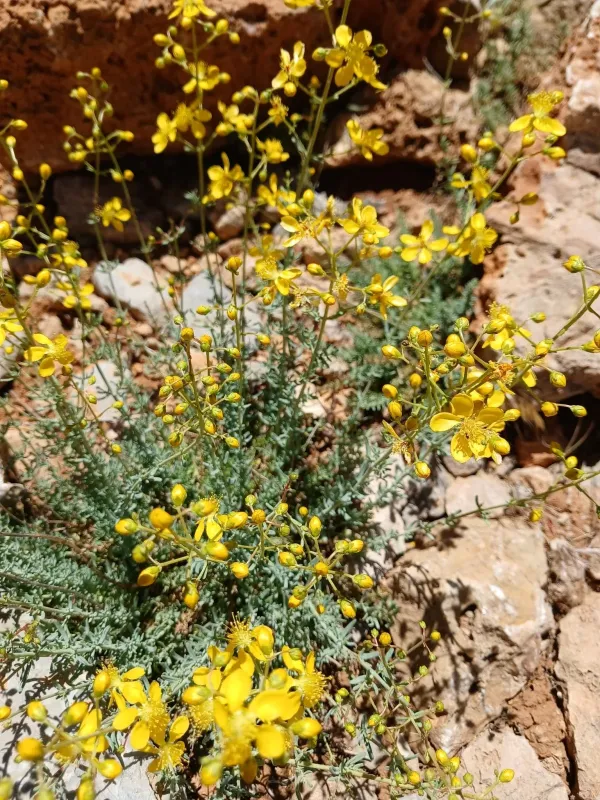
Description
Sowing dates
Hypericum libanoticum is a perennial member of the Hypericaceae family known for its hardy nature. The plant is typically propagated through seeds, which require specific conditions for successful germination.
For best results, seeds should be sown in late autumn to undergo natural stratification. If sowing in spring, seeds must be kept in cold storage or a refrigerator for several weeks to break dormancy.
When starting indoors, use a well-draining sterile potting mix. Surface sow the seeds and press them lightly into the soil; do not bury them deep, as they need light exposure to initiate the sprouting process.
Once seedlings have developed at least two pairs of true leaves, they should be transplanted into individual pots to strengthen before moving them to the permanent field site.
Field planting is recommended after the last frost date. Space the plants approximately 30 to 40 cm apart to ensure proper air circulation and reduce the risk of foliage diseases.
Growing requirements
This species thrives in sunny, open locations. While it can tolerate partial shade, full sun is essential for producing the high concentration of bioactive compounds desired for medicinal use.
The plant performs best in light, alkaline, and well-draining soils. It is naturally adapted to limestone substrates and rocky slopes, which are characteristic of its native Mediterranean habitat.
Watering requirements are relatively low as the plant is drought-tolerant once established. Overwatering is significantly more dangerous than underwatering, as it often leads to root rot.
Temperature management involves protecting the plant from extreme winter conditions. In colder climates, covering the root zone with dry mulch or protective fabric is highly recommended.
Minimal fertilization is required. An application of a balanced, low-nitrogen organic fertilizer in early spring is sufficient to support healthy growth without causing excessive, succulent foliage.
Yield
The harvest phase is the most critical stage for commercial production. The goal is to maximize the collection of flowering stems during the peak of the blossoming cycle.
Harvesting usually begins when about 50-70% of the flowers on the plant have opened. This timing ensures that the essential oils and medicinal constituents are at their highest concentration.
Using sharp, sterilized tools is necessary to avoid damaging the plant structure during harvesting. Cutting should be performed about 10-15 cm above the ground to promote regrowth.
Post-harvest processing involves immediate drying in a dark, airy space. Rapid drying is essential to maintain the vibrant color and medicinal efficacy of the plant material.
Productivity remains stable for several years if the crop is managed correctly, with pruning performed after each harvest to ensure consistent yields in subsequent seasons.
Main diseases and pests
Root rot is the most serious threat, typically resulting from poor soil drainage or excessive rainfall during the growing season. Prevention via proper site selection is key.
Common pests include aphids and mites, which are most active during dry, warm spells. Regular scouting allows for early intervention before the infestation impacts the yield.
Fungal diseases like rust or powdery mildew can occur if air circulation is inadequate. Thinning out overcrowded plants is an effective cultural control method.
Integrated pest management (IPM) is encouraged to protect the quality of the raw material. Utilizing beneficial insects can help keep pest populations below the economic damage threshold.
Field sanitation is vital. Removing diseased plant debris at the end of the season prevents the overwintering of pathogens that could affect next year's crop.