
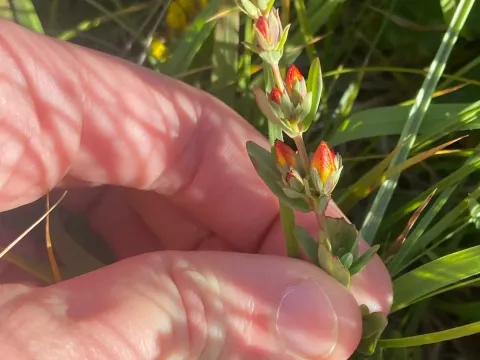
Hypericum linarioides
Hypericum linarioides
Hypericum linarioides, commonly known in research circles, belongs to the family Hypericaceae. This perennial herb is naturally adapted to rocky slopes and dry open spaces, reflecting its high tolerance for environmental stressors and low soil moisture.
What the section contains
Hypericum linarioides
The plant is characterized by its narrow, linear leaves resembling flax, which provide its specific biological identity. The root system is robust, allowing it to thrive in nutrient-poor environments while maintaining structural stability in the field.
For cultivation purposes, Hypericum linarioides requires full sun exposure. Reduced light availability negatively impacts the production of secondary metabolites, which are essential for its medicinal value in the pharmaceutical market.
Soil requirements focus on high permeability. Loamy or sandy soils with neutral pH levels are optimal. Poor drainage is the primary cause of plant failure, as roots are susceptible to rot when exposed to prolonged saturated conditions.
Agrotechnical management includes regular weed control during the establishment phase. Although the plant is resilient, supplemental fertilization during the bud initiation stage can significantly increase biomass yield and chemical potency.
The economic value of Hypericum linarioides lies in its pharmaceutical properties. It is primarily harvested for its aerial parts, which contain high concentrations of bioactive compounds used in traditional and modern herbal medicine.
Harvesting should be timed precisely during the peak flowering stage to ensure the highest quality of raw materials. Mechanized harvesting is standard for large-scale operations, ensuring clean cuts of the upper stems.
Post-harvest processing requires immediate drying to prevent enzymatic degradation. A steady airflow at temperatures between 40 and 45 degrees Celsius ensures that the natural appearance and efficacy of the plant material are preserved.
Proper storage is essential to maintain market value. Finished dry material must be stored in cool, dark, and moisture-controlled conditions to prevent the degradation of photosensitive ingredients and prevent mold growth.
As a specialized crop, it offers sustainable options for using marginal agricultural land. With growing interest in organic herbal supplements, Hypericum linarioides represents a niche but viable opportunity for agricultural diversification.