
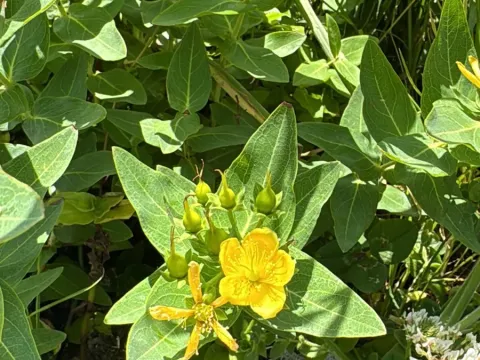
Hypericum foliosum
Hypericum foliosum
Hypericum foliosum, commonly known as a member of the Hypericaceae family, is a perennial evergreen shrub native to the Azores. Its botanical classification highlights its adaptation to island microclimates with moderate temperatures.
What the section contains
Hypericum foliosum
The crop requires a stable, humid oceanic climate to thrive. It performs best in regions where temperatures do not fluctuate drastically, and it is sensitive to severe frost, which can damage the foliage and compromise subsequent growth cycles.
Soil conditions are critical for its development; the species prefers well-drained, fertile soils with a slightly acidic to neutral pH. Proper soil aeration is essential to support root health and prevent the onset of anaerobic conditions.
Agronomic management involves maintaining soil moisture levels while ensuring that excess water can drain away easily. In greenhouse or nursery settings, irrigation should be focused on the root zone to keep the canopy dry and disease-free.
The primary economic value of this species lies in its secondary metabolites. Research indicates that the plant possesses chemical compounds with potential applications in natural pharmaceuticals and specialty cosmetic formulations.
Like many species in the genus, Hypericum foliosum is susceptible to fungal pathogens when grown in high-humidity environments. Leaf spot diseases are common, especially when airflow around the plants is insufficient.
Insect pests such as aphids and spider mites can pose a significant threat to young plantations. These insects feed on the sap, causing chlorosis and weakening the overall vitality of the shrub, which reduces biomass yield.
Effective management requires strict adherence to hygiene protocols, such as removing fallen leaves and pruning diseased stems. This reduces the inoculum pressure of fungi within the cultivation area significantly.
Adequate plant spacing is the most effective cultural control method. By allowing sufficient space for air to circulate between plants, growers can create an environment that is less conducive to the proliferation of diseases.
Integrated Pest Management (IPM) strategies should be employed to mitigate pest pressure without relying solely on chemical treatments. Monitoring plant health at the first sign of infestation is vital for maintaining productivity.