
Hypericum laxum
Hypericum laxum
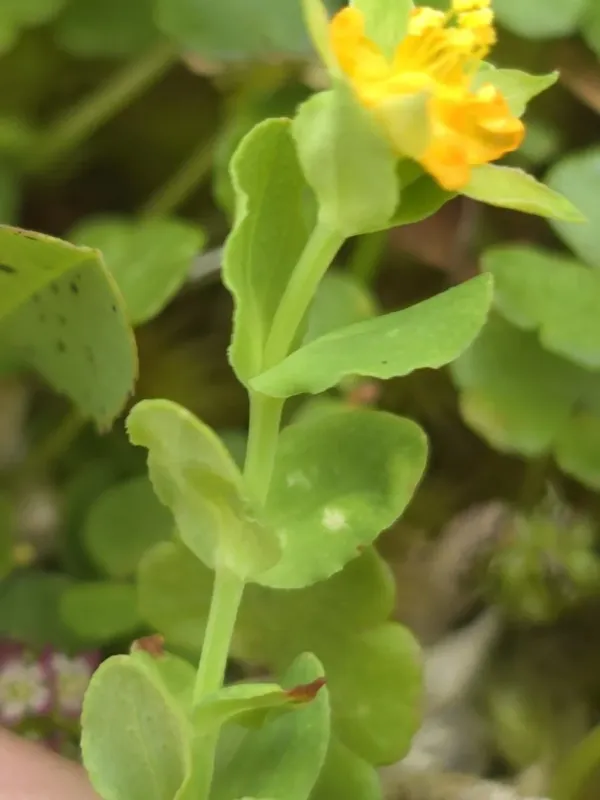
Description
Sowing dates
Hypericum laxum is a herbaceous perennial plant belonging to the Hypericaceae family. It is distinct due to its loose growth habit and specific ecological requirements compared to other common St. John's wort varieties.
Sowing should be performed in autumn or early spring, provided the seeds have undergone a cold stratification process. Seeds are very small and require a shallow sowing depth, needing exposure to light for successful germination.
The optimal germination temperature is between 15°C and 20°C. Maintaining a consistent moisture level on the soil surface is critical during the first three weeks to prevent the tiny seedlings from dehydrating.
In large-scale farming, using a seedling nursery approach is recommended. This minimizes seed waste and ensures uniform distribution in the field, which simplifies subsequent mechanical weeding and harvesting.
Growth is slow during the first season as the plant invests significant energy into root development. Weed control during this establishment phase is mandatory to ensure the young plants are not choked out.
Growing requirements
The plant thrives in well-drained, light-textured soils with a neutral to slightly acidic pH. Poor drainage is the leading cause of crop failure, as it triggers root rot and reduces plant vigor.
Sunlight is a key factor for success. Hypericum laxum is a heliophilic species; it must be grown in open, full-sun locations. Shaded conditions lead to etiolation and a marked decrease in secondary metabolites.
Regarding climate, the plant requires moderate air humidity and protection from severe wind chill. It is generally hardy, but significant temperature fluctuations during early spring can damage emerging shoots.
Fertilization should be balanced. While organic matter improves soil structure, phosphorus and potassium are essential for quality bloom production. Excessive nitrogen is discouraged as it promotes vegetative growth over the production of active ingredients.
Inter-row cultivation is necessary to maintain soil aeration. Regular loosening of the top layer of soil prevents crust formation, which is particularly beneficial for root expansion and water absorption.
Yield
The economic value of Hypericum laxum lies in its aerial parts, specifically leaves and flowers harvested during the full flowering stage. Proper timing ensures the highest concentration of active compounds.
Yield stabilizes during the second year of cultivation. A well-maintained plantation can remain productive for several years, provided that pests and diseases are managed effectively.
Harvesting is done by cutting the stems at a specific height (15–20 cm) from the base. This method encourages the development of healthy side branches for the following season's growth.
Post-harvest processing involves quick drying in a shaded, well-ventilated space or in mechanical dryers at a controlled temperature not exceeding 40°C. Exceeding this temperature risks quality loss.
Properly dried material is stored in dark, dry conditions. Under these circumstances, the chemical integrity of the harvested product remains high for up to two years, suitable for pharmaceutical usage.
Main diseases and pests
Fungal diseases, including rusts and leaf spots, represent the most common threat. These typically occur under conditions of high humidity or poor air circulation within the plant canopy.
Pests such as aphids and leaf beetles can cause significant damage to the foliage during the summer months. Integrated pest management, focusing on biological controls, is preferred to ensure product safety.
Prevention focuses on planting density. Giving the plants enough space ensures that air circulates freely, drying the leaves quickly after rain and preventing the establishment of fungal colonies.
Root rot, driven by stagnant water or compacted soil, is a critical threat. If an area becomes waterlogged, immediate corrective drainage or replanting in a better-suited soil profile is required.
- Rotation of crops to prevent soil-borne pathogen buildup.
- Regular field monitoring for early signs of infection.
- Removing and destroying infected plant debris from the plot immediately.