
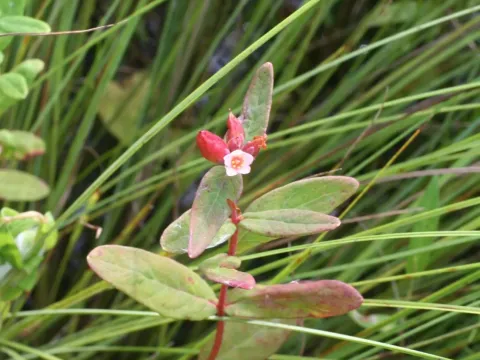
Hypericum fauriei
Hypericum fauriei
Sowing Hypericum fauriei seeds in temperate climates should ideally take place in early spring when the soil has warmed to 10–12 degrees Celsius. The tiny seeds require shallow sowing, no deeper than 0.5–1 cm, to ensure optimal germination and light exposure.
What the section contains
Hypericum fauriei
For commercial cultivation, row seeding with a spacing of 45–60 centimeters between rows is recommended. This method facilitates mechanical weeding and promotes better air circulation among the plants.
In regions with mild winters, autumn sowing can be performed to achieve earlier germination in the spring. Consistent soil moisture is crucial during the initial stages of seedling emergence.
For those utilizing nursery techniques, starting seeds indoors in March allows for faster plant development. Transplanting seedlings into the field should only occur once the risk of frost has completely passed.
Planting density should consider the species' strong root system development. An optimal spacing ensures about 8–10 plants per linear meter to provide enough space for healthy plant maturity.
Hypericum fauriei is a member of the Hypericaceae family, recognized as a hardy perennial herb. It thrives in sunny locations, as exposure to full sunlight is critical for the development of its bioactive compounds.
The plant prefers well-drained, light-textured soils such as sandy loams with a neutral or slightly acidic pH. Waterlogging is detrimental to this species and often triggers root rot and other moisture-related issues.
While the plant is relatively drought-tolerant once established, moderate and regular irrigation during the budding and flowering phases is essential for maximizing yield and plant vigor.
Fertilization should prioritize balanced nutrients, with a focus on phosphorus and potassium, while limiting excessive nitrogen to prevent weak, lush growth that is susceptible to diseases.
Regular cultivation of the space between rows is vital for soil aeration and suppressing invasive weeds that compete with the crop for essential nutrients and water.
The primary threats to Hypericum fauriei include fungal infections such as Fusarium wilt and various leaf spots, which thrive in high-humidity environments. Crop rotation is the best preventative practice.
Insect pests like aphids and leaf beetles can cause significant damage to foliage, which reduces both the ornamental value and the medicinal quality of the harvested biomass.
Rust diseases are common in the Hypericum genus, manifesting as orange spores on leaf undersides. Prompt removal of infected plants is necessary to prevent the rapid spread of the fungus across the field.
Poor drainage and overwatering contribute significantly to root decay. If the soil remains saturated for long periods, the likelihood of losing portions of the crop increases exponentially.
Using certified seed and maintaining a clean planting environment are the most effective ways to avoid large-scale infestations and ensure the long-term health of the plantation.
Harvesting Hypericum fauriei is best performed during the peak flowering stage when the concentration of medicinal constituents is highest. This ensures that the final product meets high-quality standards.
Stems should be cut approximately 10–15 centimeters above ground level. This practice allows the plant to retain enough energy for regeneration and survival through the winter months.
Once harvested, the material must be dried immediately in a dark, well-ventilated area or a commercial dryer. Temperatures should not exceed 45 degrees Celsius to preserve the chemical profile of the plant.
With proper management and favorable weather, multiple harvests per season may be possible. This flexibility is a significant advantage for producers focusing on efficiency and yield.
Dried product should be stored in a dry, cool, and light-proof environment. Proper packaging prevents moisture absorption and maintains the integrity and shelf-life of the dried herb.