
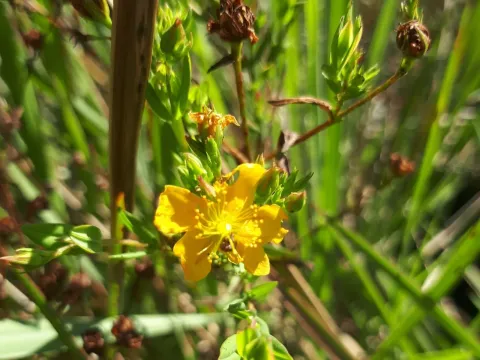
Brazilian St. John's wort
Hypericum brasiliense
Brazilian St. John's wort (Hypericum brasiliense) is a perennial herbaceous plant belonging to the Hypericaceae family. Native to the South American continent, particularly Brazil, this species is well-adapted to warm climates, thriving in open, sun-drenched environments with well-drained soils.
What the section contains
Brazilian St. John's wort
The culture requires specific environmental conditions, favoring well-aerated sandy or loamy soils. It is highly sensitive to waterlogged conditions, which can lead to root rot; therefore, selecting fields with appropriate slope or drainage systems is essential for successful commercial production.
Botanically, the plant features erect stems and opposite leaves densely packed with essential oil glands. These glands are the primary source of the plant's medicinal value, making it a critical crop for the pharmaceutical sector. Proper nitrogen and phosphorus management during the growth phase is vital to maximize biomass yield.
Effective agrotechnical management involves regular row cultivation to control weeds, as the plant competes poorly during the establishment phase. Adequate solar exposure is non-negotiable, as photosynthesis directly correlates with the accumulation of active phytochemical compounds such as hypericin.
The plant is primarily utilized in the production of botanical extracts, teas, and tinctures due to its anti-inflammatory and antiseptic properties. Its systematic cultivation supports the growing demand for natural, evidence-based herbal medicine and supplementary healthcare products.
Major threats to this culture include fungal infections such as rust and Fusarium wilt, which are typically exacerbated by high humidity and poor air circulation. Proper plant spacing and strict sanitation practices are the most effective preventive measures against these pathogens.
Pests like spider mites and leaf-feeding caterpillars can reduce total biomass, affecting product quality. Integrated Pest Management (IPM) strategies, including the use of pheromone traps and biological predators, are recommended to maintain high yield standards while ensuring the purity of the raw botanical material.