
Canadian St. John's wort
Hypericum canadense
Description
Growing requirements
Canadian St. John's wort (Hypericum canadense) is a herbaceous plant species belonging to the Hypericaceae family. Originating from North America, this plant is naturally found in habitats characterized by moist, acidic soils, which dictates its primary requirements for agricultural cultivation.
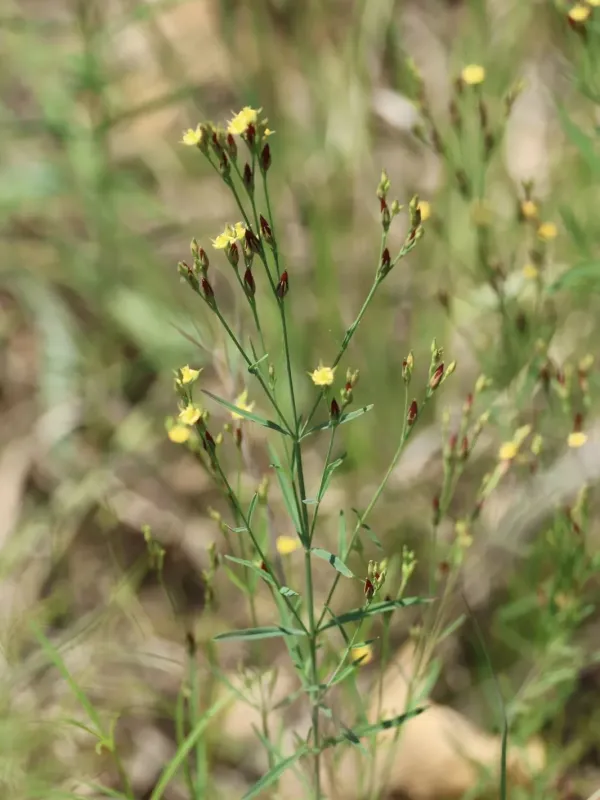
The plant features upright, slender stems with narrow leaves and distinctive yellow flowers. In an agricultural setting, it is valued for its unique phytochemical profile, although it requires specific management to reach its full productive potential as a botanical crop.
To ensure optimal growth, the crop requires consistently moist soil conditions. It is best suited to sandy or peat-rich substrates that maintain high water retention while ensuring good drainage. Avoid sites prone to long periods of drought, as this severely impacts the plant's development.
Climatic requirements involve a preference for temperate regions with sufficient rainfall throughout the growing season. The plant needs full exposure to sunlight to promote high concentrations of active ingredients, making site selection crucial for commercial production.
Field management practices include careful soil preparation and pH monitoring, ideally maintaining a slightly acidic environment. Regular cultivation to control weeds is essential, as Hypericum canadense does not possess high weed-suppressive capabilities during its initial establishment phase.
Main diseases and pests
Like many species in the genus, this plant can be vulnerable to fungal pathogens such as rust and powdery mildew, especially under high humidity conditions.
Insect pests, including leaf-feeding beetles and aphids, may colonize the plants, necessitating a vigilant monitoring program to prevent significant damage to the foliage.
Preventive measures include maintaining proper plant spacing to improve airflow, which significantly reduces the incidence of fungal diseases during the warm season.
Integrated Pest Management (IPM) strategies are recommended, focusing on early detection and the use of bio-based treatments where necessary to ensure the purity of the final product.
Sanitation practices, such as removing debris after the harvest, are vital to break the life cycle of common agricultural pests and diseases in the field.