
Bean's St. John's wort
Hypericum beanii
Bean's St. John's wort (Hypericum beanii) is a prominent member of the Hypericaceae family, known for its status as an attractive ornamental shrub. Originating from East Asia, this plant has become a popular choice for gardens and landscaping projects due to its resilience and aesthetic appeal.
What the section contains
Bean's St. John's wort
The species thrives in environments that provide full sun to partial shade, allowing for versatile placement within a landscape design. It is essential to protect this shrub from harsh, drying winds, especially in more exposed garden locations, to maintain the health of its foliage.
The ideal soil profile for Hypericum beanii is a well-draining, fertile medium with a neutral to slightly acidic pH level. Ensuring the soil remains moist yet not waterlogged is critical for preventing root-related issues that can severely hinder the plant's growth vigor.
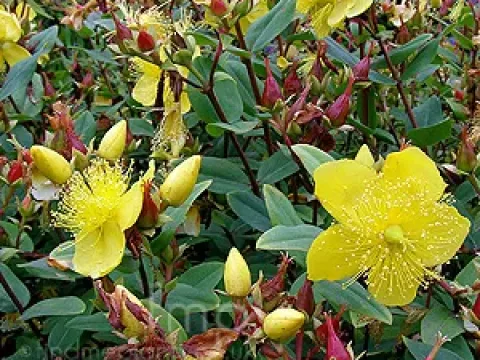
Botanically, the plant is characterized by its semi-evergreen habit, dark green leaves, and large, bright yellow flowers. The striking contrast between the petals and the prominent stamens makes it a focal point in flower beds and shrub borders during its extensive blooming period.
Agricultural management includes regular spring pruning to shape the shrub and remove any dead or weak wood. Consistent irrigation during dry spells, combined with light fertilization, helps promote dense growth and maximizes the plant's natural flowering potential each season.
The plant is susceptible to fungal diseases such as leaf spot and rust, particularly under conditions of high humidity and poor air circulation. Proper spacing between individual plants is a primary strategy to reduce the risk of these common fungal infections.
Pest management should focus on monitoring for aphids and spider mites, which can cause damage to the tender growth. If infestations are detected, localized treatment with horticultural soaps or specific insecticides is recommended to keep the population under control.