
Bedstraw St. John's wort
Hypericum galioides
Description
Sowing dates
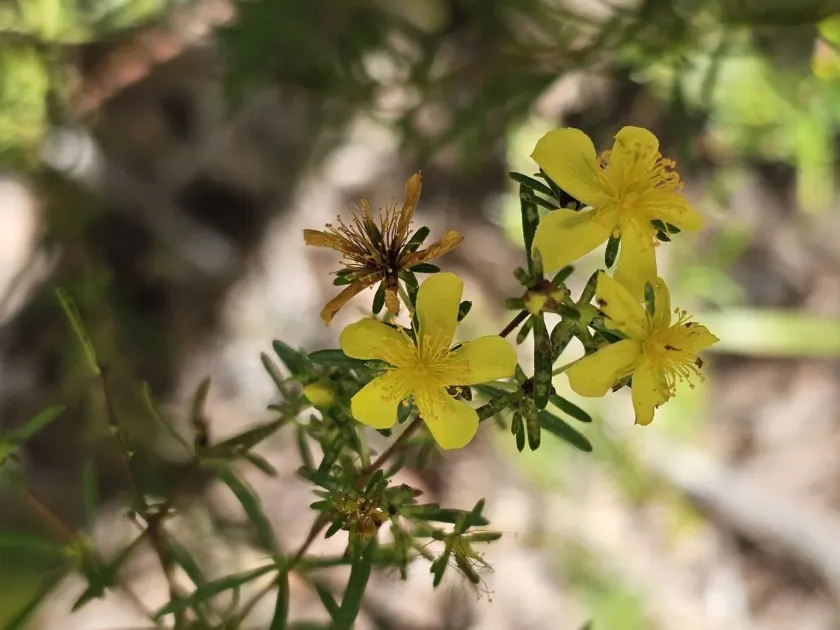
Bedstraw St. John's wort (Hypericum galioides) is a hardy perennial herb belonging to the Hypericaceae family, recognized for its specific structural features.
Propagation is primarily achieved through seeds, which often require cold stratification to break dormancy and ensure uniform germination in the spring.
Seeds should be sown on the soil surface or covered very lightly, as they need exposure to indirect light for successful initiation of development.
Spacing between plants should be maintained at approximately 40 to 50 centimeters to allow for lateral growth and healthy circulation within the foliage.
Early spring seeding is ideal once the risk of severe ground frost has passed, ensuring the root system can establish before the heat of summer arrives.
Growing requirements
This species thrives best in locations with full sun exposure, although it exhibits significant tolerance to partial shade in warmer climate zones.
Well-draining, moderately fertile soil with a slightly acidic to neutral pH is considered the most conducive environment for vigorous plant development.
The plant is resilient against moderate drought conditions, but consistent moisture during the initial growing season is essential for long-term health.
Soil structure should be loose and friable to prevent water stagnation, which is the primary cause of root-related complications in this cultivar.
Strategic fertilization with a balanced mix of nutrients early in the season can significantly enhance the development of stems and subsequent floral display.
Yield
Yield capacity for Bedstraw St. John's wort increases significantly once the plants reach maturity, typically beginning in the second year of cultivation.
Consistent pruning of spent flowers encourages the plant to allocate energy toward secondary growth, thereby increasing the total volume of harvested biomass.
Under optimal agronomic conditions, growers can expect stable yields of dried herbal material, which serves various commercial and medicinal purposes.
The total harvested weight is heavily influenced by site selection, weed management, and the frequency of harvests performed during the growing season.
Proper record-keeping of growth cycles allows for the optimization of yield through adjustments in spacing and fertilization schedules in subsequent years.
Main diseases and pests
Fungal pathogens such as powdery mildew represent the most significant threat to plant health, particularly in areas with poor airflow and high humidity.
Insects like leaf-eating beetles can cause aesthetic and quantitative damage, necessitating proactive monitoring and early detection measures.
Implementing a crop rotation system helps mitigate the buildup of soil-borne pathogens that target the root systems of the Hypericum species.
Manual weeding is often preferred over chemical intervention to maintain the purity and quality of the plant material for final industrial use.
Environmental stress, such as extreme temperature fluctuations, can also weaken plant defenses, making them more susceptible to localized infestations.
Harvesting
Harvesting is ideally performed during the peak of the blooming season when the secondary metabolites in the foliage reach their highest concentration levels.
Cutting should be performed using clean, sharp blades to ensure the plant stems heal quickly and do not become an entry point for potential infections.
Immediately after cutting, the material must be processed by placing it in an airy, shaded area to prevent enzymatic degradation from high temperatures.
Controlled air-drying is the gold standard for preserving the chemical integrity and vibrant color of the harvested Hypericum galioides stems.
Storage must take place in a climate-controlled, dark environment to ensure the longevity of the active components until the product is processed further.