
Lagarosiphon ilicifolius
Lagarosiphon ilicifolius
Lagarosiphon ilicifolius is a submerged perennial aquatic plant belonging to the Hydrocharitaceae family. It is a highly specialized hydrophyte adapted to thrive in freshwater environments, where it maintains its structural integrity and metabolic activity completely underwater.
What the section contains
Lagarosiphon ilicifolius
The native range of this species encompasses tropical regions of Africa. It is commonly found in stagnant or slow-moving water bodies, such as lake margins, ponds, and river backwaters, where it plays a key role in the local aquatic ecosystem.
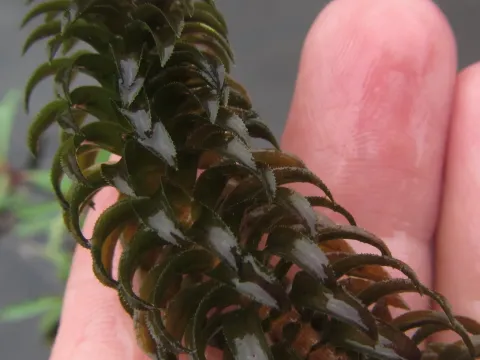
The botanical architecture of this plant is defined by long, slender stems covered in spirally arranged, serrated leaves that resemble holly leaves. This unique morphology optimizes surface area for photosynthesis and nutrient absorption directly from the surrounding water column.
Successful cultivation requires strict adherence to environmental parameters, specifically water temperature ranges between 20°C and 28°C. Providing consistent, moderate lighting is essential to prevent etiolation and to support vigorous growth throughout the vegetative cycle.
Economically and ecologically, Lagarosiphon ilicifolius is valued for its oxygenating properties and its ability to act as a nutrient sink. It is widely used in aquarium hobbyist circles and for maintaining water clarity in controlled outdoor water features and nursery tanks.
The primary threats to this species include sudden fluctuations in water chemistry, such as extreme pH shifts or toxicity from agricultural runoff. Such stressors severely impact the plant's metabolic rates and can cause rapid necrosis of the apical meristems.
Pests such as aquatic snails and certain larval insects pose a significant threat by physically damaging leaf tissues, which inhibits photosynthesis. Furthermore, heavy competition from epiphytic algae can shade the plant, leading to its eventual decline if not managed through proper maintenance and water circulation.