
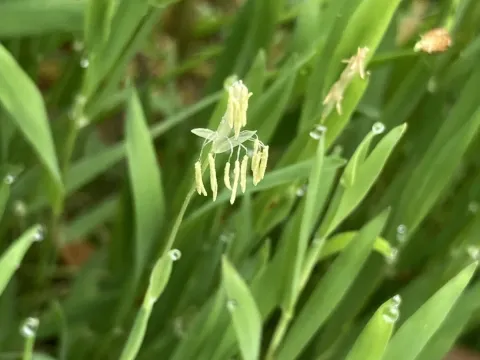
Hydrochloa caroliniensis
Hydrochloa caroliniensis
Hydrochloa caroliniensis is a perennial aquatic plant belonging to the Poaceae family. In its natural habitat, it spreads primarily through vegetative growth, characterized by the rooting of nodes in the substrate as the stems extend across the water surface or bottom.
What the section contains
Hydrochloa caroliniensis
For cultivation purposes, propagation is achieved through stem cuttings. Each cutting should contain several nodes to ensure successful root development. The best time for planting is during the active growth phase when temperatures and light levels are optimal.
When establishing a new planting site, cuttings are anchored into a nutrient-rich substrate. Ensuring that the roots are well-placed is crucial for the stability of the plant, especially in setups with moderate water flow.
Seeds are rarely used for mass propagation as vegetative multiplication is significantly faster and more reliable. This method allows growers to maintain the genetic uniformity of the crop, which is essential for ornamental and research applications.
Planting density should be managed carefully to avoid overcrowding. As the plant expands horizontally, it can quickly cover the bottom, so providing sufficient space is vital for long-term health and preventing the stagnation of water pockets beneath the foliage.
This species thrives in slow-moving or still freshwater environments. The ideal temperature range for Hydrochloa caroliniensis is between 20 and 26 degrees Celsius, reflecting its natural adaptation to temperate and subtropical aquatic ecosystems.
Lighting is a fundamental factor for this plant. It requires high-intensity, indirect light to maintain its characteristic compact form and vibrant green color. Low light conditions typically lead to etiolation, where stems grow thin and weak.
The substrate should be rich in organic matter and minerals. A fine-grained, nutrient-dense soil or aquatic substrate mix supports the extensive root system that the plant develops to anchor itself and absorb nutrients from the sediment.
Chemical parameters of the water should remain stable, particularly pH and carbonate hardness. Sudden shifts in water chemistry can trigger stress responses, such as leaf yellowing or sudden cessation of growth, affecting the overall vitality of the crop.
Adequate gas exchange is necessary to prevent the accumulation of toxins in the root zone. Regular water movement or aeration helps in distributing nutrients evenly and keeps the water column healthy for the plant's metabolic processes.
The primary threats to Hydrochloa caroliniensis are fungal and bacterial infections triggered by poor water quality. Decaying organic matter near the base of the plant often fosters pathogens that cause rot and structural failure of the stems.
Herbivorous aquatic pests, such as certain species of snails, can damage leaves, leading to aesthetic degradation. Manual removal or the introduction of natural predators are common ways to manage these populations without using harmful chemicals.
Nutrient deficiencies, particularly iron-deficiency chlorosis, are common in intensive cultivation. Growers must monitor water chemistry and apply aquatic-safe fertilizers to ensure the plants maintain their deep green pigmentation and robust growth.
Algal competition represents a significant challenge. Nuisance algae, if left unchecked, can smother the grass and outcompete it for light and nutrients. Managing the light duration and nutrient levels is key to keeping the culture clear of algae.
Physical damage during harvesting or transportation can leave the plant vulnerable to pathogens. Ensuring that materials are handled carefully and kept in humid, stable environments during transit minimizes the risk of secondary infections and dieback.