
Lagarosiphon cordofanus
Lagarosiphon cordofanus
Lagarosiphon cordofanus is a perennial aquatic plant species belonging to the family Hydrocharitaceae. As a submerged macrophyte, it is highly adapted to life within freshwater ecosystems, where it plays a significant role in maintaining the biological equilibrium of the environment.
What the section contains
Lagarosiphon cordofanus
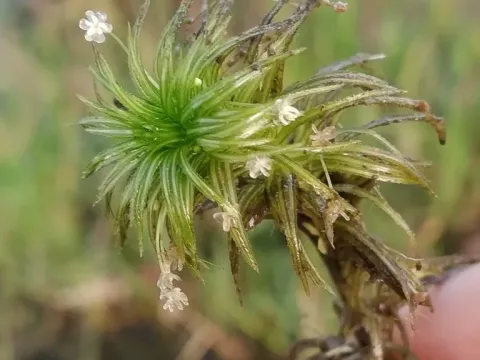
The plant features elongated, slender stems adorned with crowded, alternate or whorled leaves. Its root system is generally underdeveloped, as the species primarily absorbs minerals and nutrients directly from the water column through its leaf tissue, reflecting its specialized evolutionary adaptation to aquatic life.
Originating from tropical regions in Africa, particularly the Kordofan area, this plant requires specific environmental conditions to thrive. In cultivation, it performs best in stable water bodies with consistent temperatures ranging from 20 to 28 degrees Celsius, which mimics its natural tropical habitat.
Regarding soil and water requirements, Lagarosiphon cordofanus prefers substrates rich in organic matter and water with a neutral to slightly acidic pH level. Adequate light intensity is critical for its health, as insufficient light leads to stem elongation, thinning of foliage, and a decrease in photosynthetic efficiency.
In terms of agricultural and commercial use, the species is predominantly utilized in the aquatics industry. It is highly valued by pond owners and aquarium hobbyists for its rapid growth rate, its ability to oxygenate water, and its effectiveness in nutrient sequestration, which helps prevent unwanted algae blooms.
Common threats to Lagarosiphon cordofanus include excessive competition from filamentous algae, which can block necessary light and inhibit gas exchange. Maintaining water quality is paramount to prevent the proliferation of such algae and ensure the plant remains vigorous and healthy.
Pests such as certain species of freshwater snails may cause physical damage to the delicate stems and leaves. If the plant shows signs of degradation or tissue softening, it is typically an indication of poor water quality or nutrient deficiency, requiring immediate adjustments to the maintenance routine.