
Halophila
Halophila
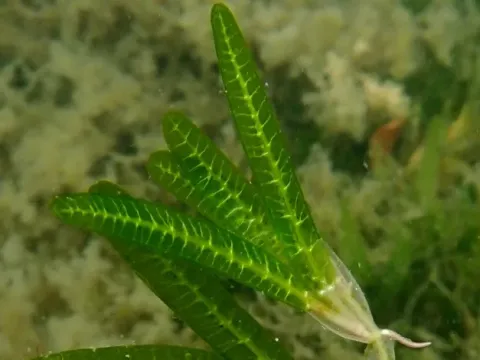
Halophila is a genus of seagrass belonging to the Hydrocharitaceae family. These plants are fully submerged marine angiosperms that have adapted to live in saline environments across tropical and subtropical regions.
What the section contains


Halophila
The habitat of Halophila primarily consists of shallow sandy or muddy bottoms in the Indian and Pacific Oceans. They grow in dense meadows that function as critical underwater habitats for various marine species.
The growth of these plants requires high light intensity, as they rely on photosynthesis in the water column. Consequently, they are typically found in clear coastal waters where solar radiation reaches the seabed.
Soil requirements involve soft, stable substrates that allow the creeping rhizomes to spread. Unlike land crops, they extract nutrients directly from the sediments and the water through their leaves.
Optimal environmental conditions include stable warm water temperatures and consistent salinity levels. Halophila species are sensitive to environmental fluctuations, which makes them indicators of marine ecosystem health.
The primary utility of Halophila lies in its vital contribution to coastal protection and biodiversity support. Seagrass meadows act as natural carbon sinks, helping mitigate global climate change effects.
Yield in the context of seagrass is measured by meadow density and shoot growth rates. These parameters are essential for ecological restoration projects aimed at rehabilitating degraded coastal habitats.
In aquaculture research, there is growing interest in the biomass of Halophila for potential biochemical extracts. These extracts may contain bioactive compounds useful for medical and agricultural research.
The preservation of Halophila meadows is directly linked to the productivity of coastal fisheries. By providing nursery grounds and shelter, these plants support commercial marine life populations.
Ongoing studies are exploring the feasibility of seagrass cultivation to enhance the natural sequestration of carbon in marine ecosystems on a larger scale.
Anthropogenic pollution is the most significant threat to Halophila populations. High nutrient loads from coastal runoff lead to algal blooms that block essential sunlight, causing seagrass decline.
Physical disturbances, such as dredging, anchoring, and boat traffic, cause direct destruction of the root systems. Once the stable rhizome mat is broken, recovery is extremely slow.
Rising sea temperatures associated with climate change push these plants beyond their thermal tolerance limits. This often results in widespread wilting and the loss of entire meadows.
Disease outbreaks among seagrass species can spread rapidly through dense underwater mats. These pathogens are often aggravated by environmental stress, making the plants more vulnerable.
Increased storm frequency and intensity result in high sedimentation rates, which can bury the plants, or conversely, erode the seabed, stripping away the necessary rooting substrate.