
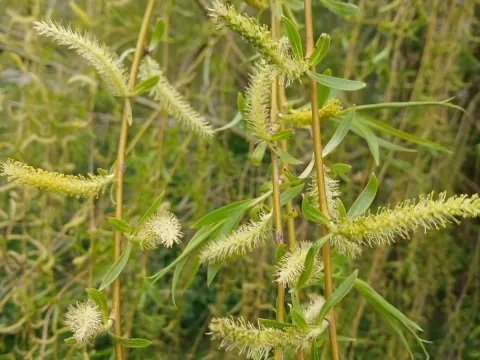
Hybrid willow
Salix blanda
The hybrid willow (Salix blanda) is a member of the Salicaceae family, known for its elegant, weeping habit and rapid growth. This tree is a hybrid result of breeding processes, often appreciated for its ability to create a tranquil atmosphere in gardens and riparian zones.
What the section contains
Hybrid willow
The plant thrives best in areas with full sun exposure. While it is quite adaptable, its structural integrity and foliage density depend heavily on consistent sunlight. In shaded environments, the tree tends to become sparse, losing its unique aesthetic appeal.
Regarding soil requirements, Salix blanda prefers moist, fertile, and well-drained soils. Although it is naturally water-loving, it does not tolerate standing water for extended periods in heavy clay soils, so providing adequate drainage is a key aspect of successful planting.
Climate adaptability for the hybrid willow is high within temperate zones. However, young trees require protection from severe winter frosts during their first few years. As they mature, they become significantly more resilient to varying weather conditions.
Routine maintenance includes structural pruning, which is essential for managing the long, pendulous branches. Regular maintenance not only enhances the tree's form but also ensures better airflow, which is critical for preventing common fungal infections.
Hybrid willows are susceptible to several fungal diseases, including willow scab and black canker. These conditions are typically triggered by prolonged humidity and lack of air circulation within the tree's canopy, leading to leaf drop and stem lesions.
Pest issues often involve willow leaf beetles and aphids, which can cause significant defoliation if left unchecked. These insects thrive in dense foliage, making regular monitoring of the underside of leaves an important part of tree health management.
Integrated pest management is recommended, starting with cultural practices like removing infected fallen leaves in autumn. This reduces the number of fungal spores and overwintering pest populations that could potentially affect the tree next spring.
Chemical control should be used judiciously. Fungicides are most effective when applied as a preventative measure before symptoms appear, particularly during the wet spring months when the risk of infection is at its absolute peak.
Ensuring the tree is well-nourished through balanced fertilization contributes to its overall vigor, allowing it to better recover from minor pest attacks or periods of environmental stress throughout the growing season.