
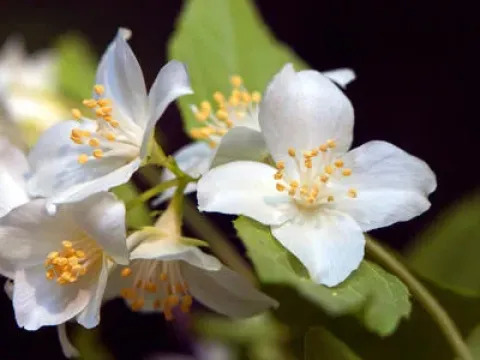
Mock orange
Philadelphus intectus
Philadelphus intectus, commonly known as mock orange, is a deciduous shrub belonging to the Hydrangeaceae family. Native to the southeastern regions of North America, this plant is well-regarded in horticulture for its ornamental value and structural versatility.
What the section contains
Mock orange
The species thrives in locations with full sun to partial shade. It requires well-drained, nutrient-rich soil to achieve optimal growth and typically displays good resilience across various soil types, provided they are not excessively waterlogged or prone to drought.
Proper agricultural management involves consistent irrigation during establishment and dry seasons. A layer of organic mulch around the root zone helps maintain soil moisture levels and suppress weed growth, which is beneficial for the long-term health of the shrub.
Pruning is essential for maintaining the desired shape and promoting vigor. Gardeners should cut back older branches immediately after the flowering period, which encourages the development of healthy new stems that will bloom during the following growing season.
In landscaping, this plant is primarily utilized for its aesthetic contributions to gardens and parks. It serves as an excellent choice for hedge formation, screening, or as an attractive background element in mixed perennial borders.
Common pests affecting Philadelphus intectus include aphids, which often cluster on the undersides of leaves or on succulent new shoots. Integrated pest management, including the use of insecticidal soaps or natural predators, is often sufficient to control infestations.
Fungal issues, particularly powdery mildew, may occur during seasons characterized by high humidity and poor air circulation. Improving spacing between plants and ensuring that the foliage dries quickly after rain are effective strategies to prevent the spread of fungal pathogens.